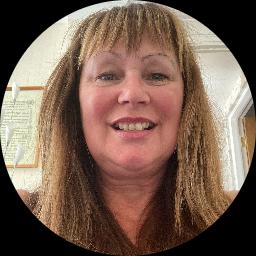
About Margaret
Margaret Hirst is a counsellor who focuses on helping people manage anxiety and stress. She speaks plainly and works to make sessions feel manageable for someone taking the first steps towards change. Her style is warm and respectful, and she encourages clients to use their own strengths during the work.
She uses Client-Centred Therapy, which means conversations are shaped around each person rather than a fixed plan. Sessions tend to be conversational and paced to the client's needs.
Background and approach
The emphasis is on being listened to and on building confidence to make practical changes. Margaret brings four years of professional experience in the United Kingdom. Her background includes supporting people with relationship difficulties, trauma and abuse, parenting strain, anger, and coping with life changes.
She also works with concerns such as obsessions, compulsions, phobias, jealousy, and issues connected to gender dysphoria and prejudice. People often arrive wanting clearer thinking, calmer reactions, or help rebuilding self-esteem. Margaret helps by talking through coping strategies, problem-solving next steps, and noticing strengths that can be used day to day.
Progress is measured by what matters to the individual client rather than a standard checklist. Sessions can be arranged online for people in the United Kingdom and internationally. Margaret is registered with the British Association for Counselling and Psychotherapy, sometimes shown as BACP, and offers a supportive, steady approach for those ready to begin.
How Margaret’s approach works online
Client-Centred Therapy places the person at the heart of the work. The counsellor listens closely, reflects what they hear and helps the client make sense of their experience. This approach suits people who want a space to be heard and to build confidence at their own pace.Margaret will use her Client-Centred approach to help identify what matters most to the client and to shape sessions around those priorities. Deciding which methods to use is collaborative - she will discuss options and adjust as goals and needs become clearer. The client helps steer the pace and focus of the work throughout the process.
Online sessions can take place via video calls, phone, live chat or text-based messaging, offering choices for different situations. Video calls are good for face-to-face conversation, phone sessions can fit into a work break or when lower bandwidth is needed, and messaging suits shorter check-ins or people who prefer writing. These formats make therapy more flexible and easier to fit around daily life, while still allowing a steady therapeutic relationship to develop.
Questions people ask
What issues does Margaret help with?
What is her therapeutic style like?
How much experience does she have?
What are her credentials and where is she based?
Which languages and regions are supported?
What session formats are available?
How are sessions paid for?
How do I begin working with her?
What this therapist works with
Most often
- Stress, Anxiety
- Relationship issues
- Trauma and abuse
Also listed
- Anger management
- Coping with life changes
- Gender dysphoria
- Hospice and end-of-life counseling
- Infidelity
- Intellectual disability
- Jealousy
- Obsessions, compulsions, and OCD
- Parenting issues
- Phobias
- Polyamory / non-monogamous relationships
- Prejudice and discrimination
- Self esteem
- Veteran and Armed Forces Issues
Therapeutic approaches
- Experience
- 4 years
- Licensed
- Languages
- English
We will earn a commission if you sign up through our link, at no cost to you.