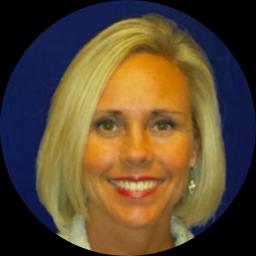
About Lisa
Dr. Lisa Bozzoli helps people who are dealing with stress, anxiety, trauma, low self-esteem, depression, and major life changes. She names these concerns up front and focuses on practical ways to make daily life feel more manageable.
Dr. Bozzoli greets each person with respect and compassion and aims to create a calm space to talk. She has 12 years of clinical experience and holds licensure as an LCPC and an LPC.
Background and approach
That background informs how she shapes conversations and plans, but sessions are guided by each person's goals. She emphasizes clear, usable steps rather than long lectures. In sessions she draws on client-centered work to follow what matters most to the client.
Cognitive Behavioral Therapy is used to spot and shift unhelpful thinking and behavior patterns. She also offers EMDR approaches for people with trauma who want a focused method to reduce intense reactions. Dr.
Bozzoli adapts the pace to match how someone likes to work. Some people prefer short, goal-focused meetings. Others need more time to process emotions.
She builds a plan with the person and checks in on progress as they go. Her practice also addresses related issues such as abandonment concerns, communication problems, divorce and separation, guilt and shame, midlife transitions, post-traumatic stress, and women’s issues. She encourages small, consistent changes that add up to real improvement over time.
How her approaches translate to online therapy
Client-Centered Therapy focuses on the person’s own priorities and feelings. Sessions follow the person’s lead so they feel heard and understood, which helps when addressing anxiety, low mood, or relationship concerns.Cognitive Behavioral Therapy (CBT) looks at how thoughts and actions affect feelings. Online CBT often includes exercises and homework to practice new skills between sessions, which can reduce anxious thinking and build better habits.
EMDR is used to help people process traumatic memories and reduce strong reactions tied to those memories. When done online, EMDR-style methods are adapted to the format with step-by-step guidance from the therapist.
Choosing an approach is a team effort. The therapist will discuss options and try methods that fit each person's goals and comfort level. That collaborative process helps refine what works and what needs changing over time.
Online sessions are offered by video call, phone, live chat, or text-based messaging to make therapy flexible. Video is useful for full conversations and visual cues. Phone sessions can be easier when bandwidth is limited. Live chat or text messaging work well for brief check-ins, step-by-step guidance, or fitting support into a busy day. These formats help people maintain regular contact and keep momentum between appointments.
Questions people ask
What concerns does she commonly address?
What is her therapeutic style like?
How much clinical experience does she have?
What credentials and location apply to her practice?
In which languages can sessions be held?
Which session formats are available?
How does cost and subscription work?
What are the first steps to begin therapy?
What this therapist works with
Also listed
Therapeutic approaches
- Experience
- 12 years
- Licensed
- Kansas, Missouri
- Languages
- English
We will earn a commission if you sign up through our link, at no cost to you.