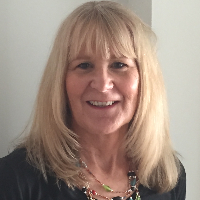
About Linda
Linda Mann is a Licensed Clinical Social Worker with 30 years of practice in Florida. She offers steady, experienced guidance for people managing stress, anxiety, depression, addiction concerns, and major life changes. Her approach centers on treating each person as an individual and working together to find practical ways forward.
She draws on a mix of methods that fit the person and the problem. Those include Cognitive Behavioral Therapy (CBT) to address unhelpful thoughts and behaviors, Dialectical Behavior Therapy (DBT) skills for emotional regulation, client-centered approaches that follow the person's pace, mindfulness practices to reduce reactivity, and motivational interviewing to strengthen willingness to change.
Background and approach
Sessions focus on real-life skills rather than abstract theory. Linda uses a collaborative style. She helps people identify strengths and small steps they can try between sessions.
She also works with issues such as trauma and grief, relationship strain, parenting stress, sleep problems, and compassion fatigue. This makes room for both short-term coping and longer-term change. Her background includes decades in diverse settings working with mood disorders, substance-related concerns, and life transition issues.
Clients can expect clear goals, practical tools, and steady support while they learn new ways of coping. Sessions are offered in English and are provided through a mix of video calls, phone, live chat, or text messaging. People who want to start pick the Start Therapy button, fill a short matching questionnaire, and schedule according to therapist availability.
Approaches that translate well to online care
Client-centered work focuses on the person’s pace and priorities. It helps people feel heard and choose goals that matter to them. Cognitive Behavioral Therapy, or CBT, breaks problems into thoughts, feelings, and actions and teaches simple exercises to change patterns that feed anxiety and depression. Dialectical Behavior Therapy, DBT, brings practical skills for managing intense emotions and improving relationships through clear steps and practice.Finding the right approach is part of the work. The therapist will collaborate with each person to pick techniques that match their needs, goals, and daily life. That means trying tools, adjusting when needed, and focusing on what helps most in short sessions and between-meeting practice.
Online therapy offers flexibility for different routines. Video calls let people use visual cues for skills practice. Phone sessions work well when bandwidth is limited or when someone prefers not to be on camera. Live chat and text-based messaging make it easier to check in between appointments, send quick updates, or get brief coaching during a busy day. These options help fit therapy into a life that already feels full.
Questions people ask
What concerns does this therapist address?
What is her therapy style like?
How much clinical experience does she bring?
What credentials and region are listed?
Which languages are supported?
What session formats are available?
How is cost handled?
How do I begin working with her?
What this therapist works with
Most often
Also listed
- Aging and geriatric issues
- Anger management
- Bipolar disorder
- Caregiver issues and stress
- Co-morbidity
- Codependency
- Compassion fatigue
- Coping with life changes
- Depression
- Drug and alcohol addiction
- Emptiness
- Family conflicts
- Family of origin issues
- Grief
- Guilt and shame
- Intimacy-related issues
- Isolation / loneliness
- Life purpose
- Midlife crisis
- Mood disorders
- Parenting issues
- Postpartum depression
- Pregnancy and childbirth
- Process addiction (porn, exercise, gambling)
- Relationship issues
- Self-love
- Sleeping disorders
- Social anxiety and phobia
- Trauma and abuse
- Women's issues
- Workplace issues
Therapeutic approaches
- Experience
- 30 years
- Licensed
- Florida
- Languages
- English
We will earn a commission if you sign up through our link, at no cost to you.