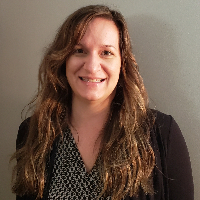
About Leslie
Leslie Gray is a Licensed Clinical Mental Health Counselor (LCMHC) practicing in North Carolina. She brings ten years of experience working with people facing addictions, anxiety, depression, trauma, and co-occurring concerns. Leslie aims to help clients make practical changes and find more meaning in everyday life.
Her approach centers on existential ideas about meaning and personal responsibility. Leslie also uses client-centered work to keep sessions focused on each person’s goals.
Background and approach
She draws on Cognitive Behavioral Therapy and mindfulness to help people notice unhelpful patterns and try new ways of responding. Leslie has a strong background in substance use and recovery work, including drug and alcohol addiction. That experience informs how she supports people with co-occurring issues such as bipolar disorder, ADHD, PTSD, and compassion fatigue.
She understands how past trauma can redirect a life and cause shame, anger, or grief. In sessions Leslie expects a mix of feelings - relief, frustration, sadness, and sometimes anger. She encourages naming those emotions and using them as information to guide change.
Sessions typically focus on short-term goals while also allowing space for deeper reflection. People who choose to work with Leslie can expect a practical, down-to-earth style. She invites clients to set the agenda and tries to match interventions to what actually helps them move forward.
Therapeutic approaches and how they work online
Leslie commonly uses Client-Centered Therapy to keep the work focused on each person's priorities and experience. This approach involves listening closely, reflecting what the client shares, and shaping goals together so sessions follow what matters most.She also draws on Cognitive Behavioral Therapy to identify unhelpful thoughts and behaviors and then practice small, doable changes. CBT can help with anxiety, stress, and patterns tied to depression or addiction by breaking problems into manageable steps.
Finding the right approach is a collaborative process. Leslie will talk with each person about goals, try methods that fit their needs, and adjust the plan as progress or challenges emerge. The aim is to match techniques to the client rather than forcing a single method.
Online therapy offers practical flexibility. Video calls allow for face-to-face conversation when visual cues matter. Phone sessions work well when bandwidth is limited or a shorter check-in is needed. Live chat and text-based messaging let people send thoughts between sessions or use brief check-ins during a busy week. These options make it easier to fit therapy into life while still working on anxiety, addiction recovery, and other concerns.
Questions people ask
What concerns does Leslie commonly help with?
What is Leslie's therapy style like?
How much experience does she have?
Where is Leslie licensed to practice?
Which languages are used in sessions?
What session formats are offered?
How does payment and cost work?
How do I begin working with Leslie?
What this therapist works with
Most often
Also listed
- ADHD
- Anger management
- Bipolar disorder
- Career difficulties
- Compassion fatigue
- Coping with life changes
- Depression
- Domestic violence
- Drug and alcohol addiction
- Family conflicts
- Grief
- Relationship issues
- Stress, Anxiety
Therapeutic approaches
- Experience
- 10 years
- Licensed
- North Carolina
- Languages
- English
We will earn a commission if you sign up through our link, at no cost to you.