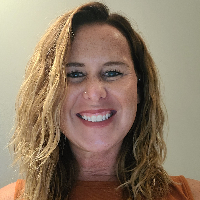
About Lauren
Lauren Oestmann is a licensed clinical social worker (LCSW) based in Illinois with 15 years of experience. She offers calm, direct support for people facing stress, anxiety, depression, addiction concerns, and major life changes. She speaks English and focuses on practical steps people can use right away.
Her background includes work in residential substance abuse, adoption preservation, corrections, and independent practice. That range gave her experience with grief, trauma and abuse, anger, bipolar challenges, and parenting stress.
Background and approach
Those settings shaped a straightforward, problem-solving style. Lauren's sessions are client-centered and strength-based. She focuses on what is already working, then builds clear skills for coping and change.
She often combines short-term strategies with deeper trauma-focused work when needed. In practice she uses tools from cognitive behavioral therapy and dialectical behavior therapy, along with motivational interviewing and solution-focused techniques. This mix helps people change thinking patterns, build emotional regulation skills, and set small achievable goals.
Sessions often include skill practice and homework between meetings. Lauren aims to make therapy accessible and practical. She helps people talk through relationship issues, sleep problems, intimacy concerns, career stress, compassion fatigue, ADHD-related struggles, and self-esteem challenges.
Her approach is collaborative and paced to each person's needs.
How her approaches work online
Lauren commonly uses cognitive behavioral therapy and dialectical behavior therapy in her online work. Cognitive behavioral therapy (CBT) helps people notice and change unhelpful thinking and behavior patterns; it is useful for anxiety, depression, sleep problems, and many everyday struggles. Dialectical behavior therapy (DBT) focuses on emotional regulation, distress tolerance, and improving relationships, which can help with anger, intense emotions, and self-management.She also draws on motivational interviewing to support readiness for change and solution-focused techniques to set short-term goals and small, practical steps. Deciding which approach to use is a collaborative process. The therapist and client review concerns, goals, and preferences, then try strategies together and adjust as needed.
Online formats include video calls, phone sessions, live chat, and text-based messaging. Video calls allow face-to-face conversation and visual cues; phone sessions work well when bandwidth is limited or a quieter setup is needed. Live chat and text messaging are useful for brief check-ins, practicing skills between sessions, or fitting therapy into a busy day. These options make it easier to keep consistent work on anxiety, coping skills, and life changes without long commutes.
Questions people ask
What kinds of concerns does she help with?
What is her therapeutic style like?
How much experience does she have?
What are her credentials and where is she located?
Which languages are supported for sessions?
Can people outside the U.S. work with her?
What formats are available for sessions?
How do I get started with therapy?
What this therapist works with
Also listed
- ADHD
- Anger management
- Bipolar disorder
- Career difficulties
- Compassion fatigue
- Coping with life changes
- Depression
- Family conflicts
- Grief
- Intimacy-related issues
- Parenting issues
- Relationship issues
- Self esteem
- Sleeping disorders
Therapeutic approaches
- Experience
- 15 years
- Licensed
- Illinois
- Languages
- English
We will earn a commission if you sign up through our link, at no cost to you.