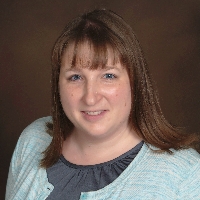
About Laura
Laura Pengelly is a Licensed Marriage and Family Therapist (LMFT) based in Pennsylvania with 22 years of experience. She offers a warm, interactive approach and listens closely to how daily life, relationships, and past experiences affect a person now. Laura focuses on practical ways to reduce anxiety, manage stress, and address mood concerns while respecting each person’s rhythm and pace.
She uses straightforward talk and collaborative problem solving to help people find clearer choices.
Background and approach
Sessions focus on how a person is viewing a problem and on small steps that can change patterns. Laura blends methods that target thinking patterns, life stories, and solutions that fit the client’s life. Her background includes long experience with relationship and family concerns as well as with trauma, depression, bipolar disorder, grief, and parenting stresses.
She has worked with people facing anger, intimacy issues, low self-esteem, and career questions. Laura also addresses attachment concerns, blended family challenges, and communication problems. Common practical goals in her work include improving day-to-day coping, reducing panic and worry, repairing communication, and managing strong emotions.
She offers a straightforward pace and a focus on skills and perspective shifts that people can use between sessions. People interested in online sessions can expect a range of formats including video calls, phone sessions, live chat, and text messaging. Laura speaks English and practices in Pennsylvania as an LMFT.
Therapeutic approaches you can use online
Laura commonly blends Cognitive Behavioral Therapy and Trauma-Focused Therapy in online sessions. Cognitive Behavioral Therapy (CBT) looks at how thoughts, feelings, and behaviors link together and teaches practical tools to change unhelpful patterns; it is often used for anxiety, depression, and stress. Trauma-Focused Therapy addresses the impact of past traumatic events by gently processing memories and building coping skills to reduce their ongoing effects.Choosing the right approach is a team effort. The therapist will talk with the client about goals, symptoms, and everyday needs, then recommend ways to proceed. That plan can change as progress is made, and techniques are adapted to what works best for the person.
Online formats offer practical advantages. Video calls let the therapist and client see each other and work through exercises together. Phone sessions can be easier when bandwidth is limited or a shorter check-in is needed. Live chat and text messaging provide quick access between meetings or a way to communicate more often without scheduling a full session. These flexible options help make it easier to fit therapy into a busy life.
Questions people ask
What concerns does Laura address?
How would she describe her therapy style?
What is her clinical background?
Where is she licensed to practice?
Which languages are supported?
What session formats does she use?
How is cost handled?
How do I begin working with her?
What this therapist works with
Most often
- Relationship issues
- Family conflicts
- Trauma and abuse
Also listed
- Anger management
- Attachment issues
- Autism and Asperger Syndrome
- Bipolar disorder
- Blended family issues
- Career difficulties
- Commitment issues
- Communication problems
- Depression
- Disruptive Mood Dysregulation Disorder (DMDD)
- Family of origin issues
- Family problems
- Fatherhood issues
- Forgiveness
- Grief
- Intimacy-related issues
- Mood disorders
- Parenting issues
- Self esteem
- Stress, Anxiety
- Young adult issues
Therapeutic approaches
- Experience
- 22 years
- Licensed
- Pennsylvania
- Languages
- English
We will earn a commission if you sign up through our link, at no cost to you.