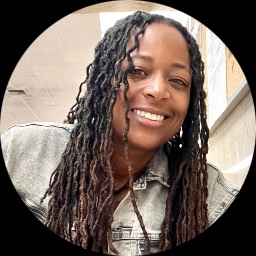
About Lacresha
Lacresha "Cresha" Collins is a Licensed Marriage and Family Therapist who helps people cope with stress and anxiety. She also supports those facing relationship strain, trauma and abuse, anger, and issues tied to identity. Cresha brings five years of clinical practice and years of lived experience to her work.
Her sessions are warm and direct. She talks with clients in a respectful, culturally aware way and avoids stigmatizing labels. Conversations focus on what feels most urgent and on small, doable steps that ease daily functioning.
Background and approach
Cresha draws from several evidence-based therapeutic techniques and adapts them to each person’s needs. She helps people understand patterns that keep them stuck and practices new ways of responding. Many clients work on managing panic, social anxiety, mood difficulties, and the fallout from past hurt.
She has a particular history of serving diverse urban communities and the LGBTQIA+ community. That background informs how she notices cultural and identity concerns in therapy and how she supports people reclaiming their voice after emotional harm. Sessions can address practical strains like caregiver stress, communication problems, control issues, and life transitions such as divorce or career change.
Cresha also works with struggles around body image, guilt and shame, isolation, and finding life purpose. Her California licensure is LMFT, which stands for Licensed Marriage and Family Therapist. Cresha offers sessions in English and provides video calls, phone sessions, live chat, and text-based messaging to fit different needs.
Evidence-based approaches and online care
She uses evidence-based therapeutic techniques to help people change unhelpful patterns and reduce symptoms. Cognitive-behavioral approaches focus on identifying and shifting thoughts and behaviors that fuel anxiety and panic, and they often include practical exercises people can use between sessions. Psychodynamic-informed work looks at how past relationships and early attachments influence current reactions and helps people notice repeating patterns.Finding the right approach is collaborative. The therapist will talk with each person about their goals, preferences, and what has or hasn’t worked before. Together they choose strategies and adjust them over time so the work fits the client’s life and needs.
Online therapy is offered through video calls, phone sessions, live chat, and text-based messaging to provide flexibility. Video sessions allow fuller conversation and nonverbal cues, phone sessions can work when bandwidth is limited, live chat is useful for shorter check-ins, and text messaging supports between-session reflections. These options make it easier to fit therapy into work, caregiving, or school schedules while keeping a steady course of care.
Questions people ask
What concerns does Cresha address?
How would you describe her therapy style?
How much clinical experience does she have?
What are her credentials and location?
Are sessions offered in other languages?
What session formats are available?
How much does therapy cost?
How do I begin working with her?
What this therapist works with
Most often
- Stress, Anxiety
- LGBT
- Relationship issues
Also listed
- Anger management
- Attachment issues
- Body image
- Caregiver issues and stress
- Communication problems
- Control issues
- Divorce and separation
- Forgiveness
- Guilt and shame
- Isolation / loneliness
- Life purpose
- Mood disorders
- Panic disorder and panic attacks
- Post-traumatic stress
- Self-love
- Social anxiety and phobia
- Trauma and abuse
- Experience
- 5 years
- Licensed
- California
- Languages
- English
We will earn a commission if you sign up through our link, at no cost to you.