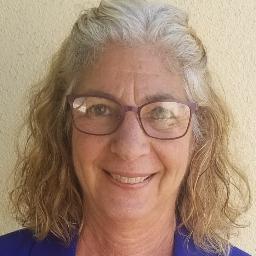
About Karen
Karen Winberry is a California Licensed Marriage and Family Therapist (LMFT) with more than two decades of experience in mental health. She commonly helps people facing stress, anxiety, depression, grief, addictions, and trauma. She meets individuals where they are and focuses on practical coping skills that can be used day to day.
Karen keeps sessions straightforward and goal-oriented. She listens without judgment and offers clear feedback. Many clients work on managing strong emotions, improving relationships, or getting through major life changes.
Background and approach
Her work draws on several well-known approaches, including client-centered therapy and cognitive behavioral therapy. She also uses dialectical behavior therapy, EMDR, and mindfulness practices when they fit a person’s needs. These tools are mixed to suit each person rather than applied the same way to everyone.
With 26 years in the field, Karen has experience with a wide range of mental health concerns, from mood disorders to trauma-related reactions. She adapts strategies for cultural and individual differences and prioritizes skill building for everyday life. Sessions can include talk-based problem solving, skills training, and trauma-focused processing.
People who want a direct, compassionate clinician who will help them build coping strategies often choose her approach.
How these approaches work in online sessions
Client-centered therapy focuses on listening and building a strong therapeutic relationship. The therapist offers empathy and helps people clarify goals so sessions feel relevant and respectful. Cognitive behavioral therapy, or CBT, looks at the links between thoughts, feelings, and behavior and teaches practical tools to change unhelpful patterns. This approach is often used for anxiety, depression, and stress. Dialectical behavior therapy, DBT, emphasizes skills for managing intense emotions and improving interpersonal effectiveness. DBT skills are useful for anger, mood swings, and high emotional reactivity.Choosing the right approach is a collaborative process. The therapist will talk with the client about symptoms, goals, and what has helped or not helped before. Together they decide which methods to try and adjust the plan over time based on what works for the client.
Online therapy offers multiple ways to connect: video calls, phone sessions, live chat, or text-based messaging. Video lets people use visual cues and longer session work. Phone sessions can fit tight schedules or require less bandwidth. Live chat and messaging allow for short check-ins and ongoing support between sessions. These options provide flexibility so people can fit therapy into work, school, or caregiving routines.
Questions people ask
What concerns does Karen commonly help with?
What is her general therapeutic style?
How many years of clinical experience does she have?
What credentials does she hold and where is she based?
Which languages are offered for sessions?
Can people outside the U.S. work with her?
How are sessions delivered online?
How does the cost and getting started process work?
What this therapist works with
Most often
- Stress, Anxiety
- Addictions
- Relationship issues
Also listed
- Anger management
- Bipolar disorder
- Career difficulties
- Coping with life changes
- Depression
- Family conflicts
- Grief
- LGBT
- Parenting issues
- Self esteem
- Trauma and abuse
Therapeutic approaches
- Experience
- 26 years
- Licensed
- California
- Languages
- English
We will earn a commission if you sign up through our link, at no cost to you.