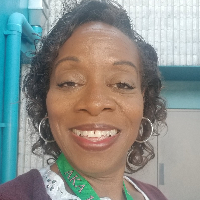
About Joy
Dr. Joy Davis is a clinical social worker with two decades of experience across schools, community mental health settings, and independent practice. She holds a graduate degree in social work and a doctorate in leadership, and she practices from Florida where she is licensed as an LCSW.
Dr. Davis focuses on helping people facing stress, anxiety, grief, self-esteem struggles, career transitions, and other life changes. She brings a warm, down-to-earth style and listens closely to what matters to each person.
Background and approach
She helps clients set realistic goals, establish boundaries, and spot roadblocks that keep them stuck. Sessions are conversational and practical, aimed at everyday improvements rather than jargon-filled explanations. Her clinical work draws on approaches such as cognitive behavioral techniques, mindfulness, EMDR, motivational interviewing, and elements of dialectical behavior therapy.
These methods are used to help people process emotions, shift unhelpful thoughts, and build coping skills they can use between sessions. Dr. Davis also blends coaching and career guidance into therapy, using leadership training from her doctorate to help people get unstuck at work or during major life transitions.
She has a graduate certificate in Loss and Healing and has volunteered with hospice, which informs her work on grief and end-of-life concerns. People come to her for support with relationships, parenting challenges, workplace stress, midlife questions, compassion fatigue, and finding purpose. She offers straightforward guidance and collaborative problem solving to help clients move forward.
How therapy methods translate to online care
Dr. Davis uses cognitive behavioral techniques to help people identify and change unhelpful thoughts and behaviors. CBT often involves setting small goals, practicing skills between sessions, and tracking progress to reduce anxiety and improve daily functioning.She also integrates mindfulness-based work to help people notice thoughts and body sensations without getting swept away. Mindfulness practices can lower stress, improve focus, and provide tools for coping during difficult moments.
Finding the right approach is part of the work together. She will talk with each person about their goals, preferences, and what feels most useful. That collaboration guides whether sessions emphasize thought restructuring, mindfulness practices, EMDR elements, or coaching techniques for career and life transitions.
Online formats include video calls, phone sessions, live chat, and text-based messaging. Video is useful for in-depth conversations and skill practice, phone can be simpler when bandwidth is limited, live chat and messaging work well for quick check-ins and ongoing support, and text allows short reflections between sessions. These options help fit therapy into busy schedules and different communication styles.
Questions people ask
What kinds of concerns does she address?
How would you describe her therapeutic style?
What is her professional background?
Which credentials and region are listed?
What languages are supported and can international clients work together?
What session formats are available?
How are sessions priced?
How do I begin working with her?
What this therapist works with
Most often
Also listed
- Anger management
- Career difficulties
- Coaching
- Compassion fatigue
- Coping with life changes
- Depression
- Family conflicts
- Hospice and end-of-life counseling
- Intimacy-related issues
- Life purpose
- Midlife crisis
- Multicultural concerns
- Parenting issues
- Relationship issues
- Women's issues
- Workplace issues
- Young adult issues
Therapeutic approaches
- Experience
- 20 years
- Licensed
- Florida, Georgia
- Languages
- English
We will earn a commission if you sign up through our link, at no cost to you.