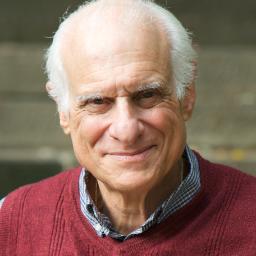
About Jon
Dr. Jon Freda helps people facing anxiety, stress, depression, grief, and life transitions. He also supports those dealing with addiction, relationship strain, work pressures, and questions about purpose.
He offers straightforward guidance aimed at practical change. He has practiced psychology for 25 years and holds the FL Psychologist license PY4988. His background includes university teaching, executive and behavioral coaching, stage and screen work, and service in the Navy.
That mix shapes a down-to-earth style that values both thought and action.
Background and approach
In sessions he blends cognitive-behavioral methods with existential and mindfulness work. He uses simple exercises to notice unhelpful thoughts and to build new skills. Small, agreed-upon actions help measure progress between sessions.
He draws on improvisation exercises to open up new ways of responding to stress and relationship patterns. These activities are designed to be practical and often feel more like learning than lecturing. The therapist’s focus stays on what a person wants to change in daily life.
Sessions can include short coaching-style check-ins, structured skill practice, and reflective conversation. The overall aim is to help each person manage symptoms, make clearer choices, and find more satisfying routines. Dr.
Freda practices in Florida and conducts work in English.
Approaches that fit your life, delivered online
Dr. Freda commonly uses Cognitive Behavioral Therapy and Mindfulness Therapy to help people change unhelpful thinking and build steady habits. CBT focuses on identifying and testing thoughts that drive anxiety and low mood, with practical exercises to shift behavior. Mindfulness Therapy teaches simple attention practices to reduce reactivity and increase emotional awareness, which can ease stress and improve focus.Finding the right approach is part of the work. He will collaborate with each person to choose methods that match their goals, needs, and preferences. That might mean more structured skill work for stress and anxiety, or more reflective existential questions for people facing big life changes.
Online sessions use video calls, phone sessions, live chat, or text-based messaging to fit different schedules. Video works well for face-to-face conversation and skill demonstrations. Phone sessions can be a good option when bandwidth is limited or for shorter check-ins. Live chat or text messaging is useful for brief updates, coaching-style prompts, or when writing feels easier than speaking. These options aim to make therapy more flexible and easier to fit into a busy life.
Questions people ask
What kinds of concerns does this therapist address?
How would you describe his therapeutic style?
What is his clinical background?
What credentials and region are listed for this therapist?
Which languages are offered and are international clients seen?
What session formats are available?
How are fees and payment handled?
How do I begin a course of therapy?
What this therapist works with
Most often
- Addictions
- Self esteem
- Career difficulties
Also listed
- Aging and geriatric issues
- Anger management
- Caregiver issues and stress
- Coaching
- Compassion fatigue
- Control issues
- Coping with life changes
- Depression
- Drug and alcohol addiction
- Grief
- Intellectual disability
- Intimacy-related issues
- Life purpose
- Men's issues
- Midlife crisis
- Post-traumatic stress
- Prejudice and discrimination
- Relationship issues
- Stress, Anxiety
- Trauma and abuse
- Veteran and Armed Forces Issues
- Workplace issues
Therapeutic approaches
- Experience
- 25 years
- Licensed
- Florida
- Languages
- English
We will earn a commission if you sign up through our link, at no cost to you.