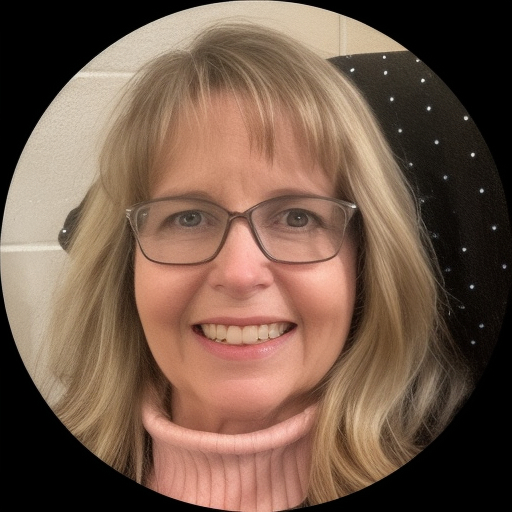
About Jill
Jill Longshore is a licensed clinical social worker with 24 years of experience helping people manage stress, anxiety, depression, addictions, trauma, and relationship struggles. She creates a calm, respectful space where people can talk about what feels hard and learn practical ways to cope. Her style is steady and direct, focused on small changes that make daily life easier.
Jill listens for each person's history and priorities before suggesting steps to try.
Background and approach
She often helps people build routines, strengthen communication, and reduce harmful habits like smoking or problematic substance use. She also supports people dealing with grief, shame, or the effects of past abuse. Her work includes attention to adoption and foster care issues, aging and geriatric concerns, and problems tied to family roles and life transitions.
First responder stress, seasonal affective disorder, and issues around forgiveness and guilt are also addressed in her practice. She approaches these topics with practical tools rather than long lectures. Sessions use everyday language and clear goals.
Jill helps people set manageable tasks between meetings and checks what feels helpful week to week. This keeps progress steady without overwhelming clients. Jill practices in South Carolina as an LISW-CP, which stands for Licensed Independent Social Worker - Certified Practitioner.
She offers sessions by video, phone, live chat, or text messaging to fit different schedules and needs.
Approaches and online options that fit your life
Evidence-based therapeutic techniques focus on practical steps people can use right away. One common approach emphasizes building coping skills and routines to reduce anxiety and manage stress; it teaches specific tools for calming the body, organizing daily tasks, and breaking big problems into smaller steps. Another approach looks at patterns in relationships and communication to help people improve how they set boundaries, speak up, and repair conflicts; this can help with relationship strain and repeated arguments.Finding the right method is a collaborative process. The therapist will listen to your goals, try a few approaches, and adjust plans based on what feels useful. Clients and therapist work together to pick tools that match the person's needs, pace, and preferences.
Online therapy offers several practical benefits. Video calls let someone keep face-to-face contact without travel and are good for in-depth sessions. Phone sessions use less bandwidth and can be easier to fit into a break during the day. Live chat and text-based messaging allow short check-ins, quick problem-solving, or support between sessions. These options provide flexibility so therapy can fit into a busy life rather than the other way around.
Questions people ask
What kinds of concerns does she address?
What is her therapy style like?
How much experience does she have?
Where does she practice and what are her credentials?
Which languages are offered for sessions?
What session formats are available?
How does payment and cost work?
How do I begin working with her?
What this therapist works with
Most often
- Stress, Anxiety
- Addictions
- Relationship issues
Also listed
- Adoption and foster care
- Aging and geriatric issues
- Communication problems
- Control issues
- Dependent personality
- Depression
- Divorce and separation
- Drug and alcohol addiction
- Family problems
- First responder issues
- Forgiveness
- Guilt and shame
- Isolation / loneliness
- Seasonal Affective Disorder (SAD)
- Sexual assault and abuse
- Smoking / vaping cessation
- Social anxiety and phobia
- Trauma and abuse
- Traumatic brain injury
- Women's issues
- Workplace issues
- Young adult issues
- Experience
- 24 years
- Licensed
- South Carolina
- Languages
- English
We will earn a commission if you sign up through our link, at no cost to you.