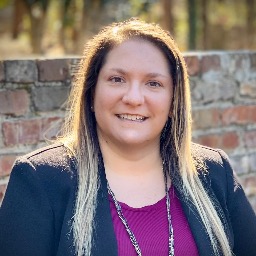
About Jennifer
Jennifer Rhodes, LICSW, is a clinical social worker in Alabama with ten years of experience helping people cope with stress and anxiety. She meets people where they are and offers calm, direct support when life feels overwhelming. Her style is warm and respectful and she focuses on practical steps that make a difference day to day.
Rhodes has worked with a wide range of concerns, including depression, grief, self-esteem, addictions, bipolar challenges, and recovery from trauma and abuse.
Background and approach
She also supports people navigating relationship strain, career questions, anger, and compassion fatigue. Her approach is tailored to each person’s situation rather than a one-size-fits-all method. In sessions she mixes client-centered care with cognitive and behavioral tools.
This often means listening closely, helping people spot unhelpful thinking patterns, and practicing concrete skills to manage strong emotions. She also draws on dialectical behavior strategies and existential ideas when those fit a person’s goals. Rhodes uses mindfulness exercises and simple coping techniques to build stability between sessions.
She aims to restore calm and increase a person’s sense of control over daily life. Progress is paced to each person’s readiness and priorities. Her work emphasizes respect, empathy, and realistic next steps.
People who want a compassionate therapist who offers clear tools and steady support may find her style a good match.
Approaches that guide online sessions
Jennifer commonly combines client-centered work with cognitive behavioral therapy and dialectical behavior strategies. Client-centered work means the therapist follows the person’s lead, reflects what matters, and builds practical goals together. Cognitive behavioral therapy focuses on identifying unhelpful thought patterns and practicing new behaviors to reduce anxiety and depressive symptoms. Dialectical behavior techniques provide concrete skills for managing intense emotions, improving distress tolerance, and handling interpersonal stress.Choosing the right mix of approaches is a collaborative process. The therapist will review goals, preferences, and what has or hasn’t helped before, then adjust techniques as progress unfolds. This shared planning helps keep sessions relevant and focused on what the person needs most.
Online formats include video calls, phone sessions, live chat, and text-based messaging. Video sessions let people use visual cues for deeper conversations. Phone sessions work well when bandwidth is limited or a shorter check-in is needed. Live chat and text messaging are useful for brief support, tracking progress between sessions, or when writing feels easier than talking. These options make it easier to fit therapy into work, school, or caregiving schedules.
Questions people ask
What kinds of concerns does she help with?
What is her general therapy style?
How long has she been practicing?
What credential does she hold and where is she based?
Which languages are available for sessions?
Can people outside the U.S. work with her?
What session formats does she use?
How are costs and scheduling handled?
What this therapist works with
Most often
Also listed
- Addictions
- Anger management
- Bipolar disorder
- Career difficulties
- Coaching
- Compassion fatigue
- Coping with life changes
- Depression
- Family conflicts
- LGBT
- Relationship issues
- Self esteem
Therapeutic approaches
- Experience
- 10 years
- Licensed
- Alabama
- Languages
- English
We will earn a commission if you sign up through our link, at no cost to you.