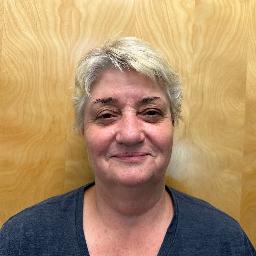
About Jennifer
Jennifer Gaeta is a licensed clinical social worker with four decades of professional experience. She helps people who are dealing with stress and anxiety, grief and loss, depression, and major life changes. Her style is straightforward and respectful, focused on helping people use their own strengths to move forward.
She begins by listening closely to what matters most to each person. Jennifer treats clients as the experts on their own stories and asks questions that clarify values, goals, and practical next steps.
Background and approach
Sessions aim to be conversational and useful rather than full of jargon. Jennifer combines several therapeutic ideas to match each person’s needs. She draws on attachment-based thinking to look at how relationships shape feelings, and on cognitive behavioral ideas to spot unhelpful thinking patterns and build new skills.
Client-centered methods guide the pace and tone so people set the agenda for change. Over the years she has worked with people facing compassion fatigue, body image struggles, communication problems, guilt, and questions about life purpose. She also has experience with hospice and end-of-life concerns and with supporting people who feel isolated or lonely.
Her practice is practical and steady. Jennifer helps people break bigger problems into smaller steps and practice different ways of coping between sessions. The aim is clearer perspective, fewer overwhelming moments, and more confidence moving forward.
Therapeutic approaches and online care
Jennifer blends attachment-based ideas and cognitive behavioral tools to help people feel steadier and think more clearly about their relationships and day-to-day reactions. Attachment-based work looks at how patterns in close relationships affect emotions and trust, which can be useful for people feeling anxious or isolated. Cognitive behavioral therapy (CBT) helps identify unhelpful thoughts and teaches practical techniques to change reactions and reduce distress.Finding the right approach is part of the work together. The therapist will talk with the client about goals and preferences, then try methods that fit those aims. Sessions are collaborative and adjusted over time based on what helps most.
Online therapy offers flexible options to fit different needs. Video calls let people use visual connection for deeper conversation, phone sessions can be easier when bandwidth is limited, live chat supports short check-ins, and text-based messaging lets someone send thoughts between sessions. These formats make it simpler to schedule sessions around work, caregiving, or travel while keeping therapeutic momentum.
Questions people ask
What kinds of concerns does she address?
What is her therapeutic style like?
How long has she been practicing?
What credential does she hold and where does she practice?
Can people who live outside the U.S. work with her?
Which session formats are offered?
How are sessions paid for?
How do I begin working with her?
What this therapist works with
Most often
Also listed
Therapeutic approaches
- Experience
- 40 years
- Licensed
- California
- Languages
- English
We will earn a commission if you sign up through our link, at no cost to you.