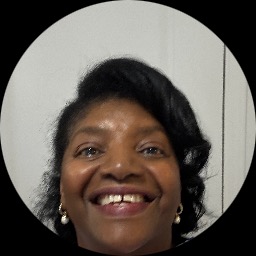
About Jennifer
Jennifer A Fraser is a Licensed Professional Counselor (LPC) based in Texas. She brings 12 years of counseling experience and practical support for people facing stress and anxiety. Her style is warm and interactive, aimed at helping clients take small steps that make daily life easier.
She works with concerns such as depression, grief, relationship strain, low self-esteem, anger, and coping with life changes. Jennifer also addresses caregiver stress, postpartum depression, and end-of-life counseling when those issues are part of a person's story.
Background and approach
Spirituality can be included in sessions when a client wants that option. Jennifer uses cognitive behavioral techniques to help people identify unhelpful thinking and try new behaviors. She draws on narrative therapy to help clients reframe their personal stories.
Solution-focused methods are used to set clear, short-term goals and track progress in concrete ways. Sessions are collaborative and goal-oriented, with an emphasis on encouragement and practical tools. Jennifer tailors discussions and plans to each person's needs instead of using a one-size-fits-all approach.
She aims to help people rebuild routines and regain a sense of control. Her background includes graduate training in community counseling and many years working in psychiatric and outpatient settings. That experience informs a straightforward, compassionate way of working with common and complex life challenges.
Therapeutic approaches that work well online
CBT, or cognitive behavioral therapy, focuses on spotting unhelpful thoughts and testing new behaviors to reduce symptoms like worry and low mood. It uses simple exercises you can practice between sessions and works well for anxiety and stress.Narrative therapy helps people look at their life stories and separate problems from the person. This method is useful when past experiences, cultural identity, or caregiving roles shape how someone sees themselves.
Finding the right approach is part of the process and will be collaborative. The therapist will discuss goals, preferences, and what has or hasn't helped in the past, then try approaches that fit those needs. Sessions can be adjusted over time as goals shift.
Online therapy via video, phone, live chat, or text-based messaging offers flexibility for busy schedules. Video calls allow face-to-face conversation and visual cues. Phone sessions can be a good option when bandwidth is limited or a quieter check-in is needed. Chat and text formats let clients send short updates, try brief coaching tools, or check in between longer sessions. These options make it easier to use therapy in real life and keep momentum between meetings.
Questions people ask
What concerns does she help with?
What is her therapeutic approach like?
How much experience does she have?
What are her credentials and where is she located?
Which languages are supported?
What session formats are available?
How much do sessions cost?
How do I begin working with her?
What this therapist works with
Most often
Also listed
Therapeutic approaches
- Experience
- 12 years
- Licensed
- Texas
- Languages
- English
We will earn a commission if you sign up through our link, at no cost to you.