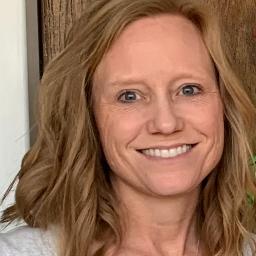
About Jennifer
Jennifer Dalton is a Licensed Clinical Mental Health Counselor (LCMHC) in North Carolina with 12 years of practice. She focuses on helping people who are feeling overwhelmed by stress, anxiety, depression, or major life shifts. She also supports those dealing with relationship and parenting challenges, grief, intimacy concerns, and issues related to ADHD.
Her work is straightforward and practical. Sessions often focus on clearer communication, building routines that reduce stress, and small behavior changes that add up.
Background and approach
She uses cognitive ideas to shift thinking and acceptance-based tools to reduce the struggle with difficult feelings. Jennifer draws on a background in education as well as clinical experience. That mix informs how she explains new skills and helps people practice them between meetings.
She emphasizes real-life tools that fit daily schedules instead of long theoretical talks. People looking for direct guidance and steady support will find a practical approach. She pays attention to life balance, problem-solving, and realistic steps toward change.
The goal is better day-to-day functioning and fuller relationships. Her style is collaborative and down-to-earth. She works with each person to set goals and track progress over time.
For someone who wants clear strategies and a calm, steady guide, her practice offers a pragmatic path forward.
Approach and online care that fit daily life
Acceptance and Commitment Therapy (ACT) focuses on helping people notice difficult thoughts and feelings without getting stuck in them, then take actions that reflect their values. It can be useful for anxiety, depression, and life transitions. Cognitive Behavioral Therapy (CBT) looks at how thoughts, feelings, and actions connect and teaches practical tools to change patterns that increase distress, which often helps with panic, worry, and low mood. Client-Centered Therapy emphasizes a respectful, nonjudgmental relationship where the therapist listens and reflects; this approach helps people feel understood and find their own solutions.Finding the right blend of approaches is part of the work. The therapist will collaborate with each person to figure out which methods feel most helpful given their goals and preferences. Together they set aims, try strategies, and adjust the plan based on what actually helps.
Online sessions make it easier to fit therapy into busy lives. Video calls allow face-to-face conversation and skill practice. Phone sessions can be a simpler option when bandwidth or screen time is limited. Live chat and text-based messaging work well for quick check-ins, brief coaching, or continuing work between longer sessions. These options increase flexibility and let people access therapeutic support from wherever they are located.
Questions people ask
What concerns does she commonly help with?
What is her style of therapy in sessions?
How much clinical experience does she have?
Where is she licensed to practice?
Which languages are sessions offered in?
What session formats are available?
How are fees and payment handled?
How do I begin working with her?
What this therapist works with
Most often
- Stress, Anxiety
- Relationship issues
- Parenting issues
Also listed
- Abandonment
- ADHD
- Anger management
- Blended family issues
- Coaching
- Commitment issues
- Communication problems
- Control issues
- Coping with life changes
- Depression
- Divorce and separation
- Family conflicts
- Family problems
- Grief
- Guilt and shame
- Infidelity
- Intimacy-related issues
- Isolation / loneliness
- Jealousy
- LGBT
- Life purpose
- Money and financial issues
- Panic disorder and panic attacks
- Seasonal Affective Disorder (SAD)
- Self esteem
- Self-love
- Social anxiety and phobia
- Women's issues
- Workplace issues
- Young adult issues
Therapeutic approaches
- Experience
- 12 years
- Licensed
- North Carolina
- Languages
- English
We will earn a commission if you sign up through our link, at no cost to you.