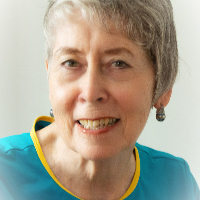
About Helen
Helen Cook is a Licensed Mental Health Counselor and a Licensed Professional Counselor who focuses on anxiety and related concerns. She listens for what a person already knows about their struggles and helps them bring that knowledge back into day-to-day life. Her approach is grounded and straightforward so parents and busy people can follow along.
She draws on 17 years of counseling experience and earlier careers that influence how she works.
Background and approach
Years as a nurse in the Army, classroom teaching, and long experience as a weight management coach shaped her practical, hands-on style. That background informs how she notices body responses and routine patterns that make anxiety worse. Therapy emphasizes emotional connection and learning useful skills.
Helen uses attachment-based ideas to look at how relationships affect stress and anxiety. She also uses cognitive behavioral techniques to help people change upsetting thoughts and behaviors. When trauma is part of the story, she may use EMDR as one option to reduce the hold of painful memories.
Sessions also draw on client-centered principles so conversations stay focused on each person’s priorities and pace. Her work pays attention to everyday life - sleep, eating, parenting, and career pressures. Helen aims to help people manage symptoms, rebuild confidence, and handle life changes so they can function better at home and work.
How therapeutic approaches work online
Attachment-based work focuses on how relationships shape emotional responses and safety. Online sessions explore patterns of connection and trust so people can notice how past dynamics show up now and practice new ways of relating. Cognitive Behavioral Therapy, or CBT, helps identify unhelpful thoughts and habits and replaces them with small, practical steps. CBT is often used for anxiety, sleep issues, and mood concerns and translates well to talk and homework between sessions. EMDR addresses memories and intense reactions tied to trauma by guiding attention while talking through distressing moments; it can reduce how strongly those memories affect daily life.Choosing the right approach is a collaborative process. The therapist will talk with each person about goals, try methods that fit those goals, and adjust when something isn’t working. That shared planning helps match techniques to what feels most useful for the individual.
Online formats include video calls, phone sessions, live chat, and text-based messaging. Video works well for in-depth emotional work and exercises that use visual cues. Phone sessions can be easier when bandwidth is limited or for quick check-ins. Live chat and text allow brief, flexible communication and can support between-session work. These options make it simpler to fit therapy into a busy schedule and to continue progress from different locations.
Questions people ask
What concerns does she help with?
What is her general therapy style?
How much clinical experience does she have?
What credentials and location are listed?
Which languages and international options are available?
What session formats are offered?
How does payment and cost work?
How do I begin therapy with her?
What this therapist works with
Most often
- Stress, Anxiety
- Relationship issues
- Trauma and abuse
Also listed
- Anger management
- Bipolar disorder
- Career difficulties
- Coaching
- Compassion fatigue
- Coping with life changes
- Depression
- Eating disorders
- Family conflicts
- Grief
- Intimacy-related issues
- LGBT
- Parenting issues
- Self esteem
- Sleeping disorders
Therapeutic approaches
- Experience
- 17 years
- Licensed
- Pennsylvania, Florida
- Languages
- English
We will earn a commission if you sign up through our link, at no cost to you.