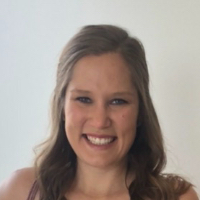
About Grace
Grace Davis is a licensed clinical social worker with nine years of experience helping people manage stress, anxiety, depression, and trauma. She practices in Florida and holds LCSW credentials for both North Carolina and Florida. Her manner is warm and straightforward, aimed at making it easier to talk about hard things.
Grace focuses on practical skills and steady support. She helps people cope with parenting pressures, relationship and family problems, grief, anger, and career transitions.
Background and approach
She also works with clients facing compassion fatigue, attention challenges, and low self-esteem. Her sessions mix talking and active problem solving. Cognitive Behavioral Therapy is used to spot unhelpful thinking and try new behaviors.
Attachment-Based and client-centered ideas guide how she builds trust and hears what matters to each person. People who have experienced trauma or abuse can work on safety, understanding reactions, and step-by-step coping. Solution-Focused Therapy is used to set small, achievable goals and track progress between sessions.
Grace emphasizes clear plans and realistic steps. She offers a respectful, collaborative approach where the client’s goals come first. Scheduling is flexible and she can adjust times for live sessions when needed.
Grace aims to make the process straightforward, focused, and steady so people feel more capable over time.
Approaches that fit online work
Attachment-Based Therapy focuses on building trust and understanding how relationships shape feelings and behavior. Online sessions use this to look at patterns that affect close relationships and to practice new ways of connecting during everyday life. Cognitive Behavioral Therapy (CBT) helps people notice unhelpful thoughts and try different actions. In teletherapy, CBT includes short exercises, thought logs, and small behavioral experiments that clients can use between sessions.Finding the right approach is part of the work. The therapist will talk with the client about goals and preferences, then suggest which methods to try first. This is a collaborative process and plans are adjusted as progress is made or priorities change.
Online formats include video calls, phone sessions, live chat, and text-based messaging, each with practical benefits. Video calls keep face-to-face interaction for deeper conversation. Phone sessions can be easier when bandwidth is limited or when someone prefers not to be on camera. Live chat and text are useful for quick check-ins, short coaching, or when scheduling a full session is difficult. These options make it easier to fit therapy into a busy life and keep momentum between meetings.
Questions people ask
What kinds of concerns does this therapist address?
What is her general therapy style?
How much clinical experience does she have?
What credentials and region does she practice in?
Which languages are supported for sessions?
Can international clients work with her?
What session formats are available online?
How are costs and getting started handled?
What this therapist works with
Most often
- Stress, Anxiety
- Trauma and abuse
- Parenting issues
Also listed
- ADHD
- Anger management
- Attachment issues
- Career difficulties
- Communication problems
- Compassion fatigue
- Control issues
- Coping with life changes
- Depression
- Family conflicts
- Family problems
- Forgiveness
- Grief
- Guilt and shame
- Isolation / loneliness
- Life purpose
- Relationship issues
- Self esteem
- Self-love
- Social anxiety and phobia
Therapeutic approaches
- Experience
- 9 years
- Licensed
- Florida, North Carolina
- Languages
- English
We will earn a commission if you sign up through our link, at no cost to you.