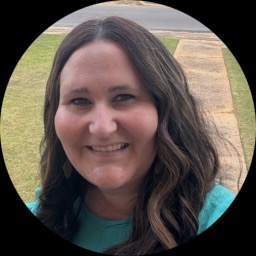
About Drew
Drew Bost is a licensed clinician who helps people manage stress and anxiety. She supports adults facing trauma, grief, low self-esteem, and depression. She also works with concerns like panic attacks, social anxiety, and issues young adults often face.
Drew practices in Alabama and brings six years of professional experience to her work. She meets each person where they are and adapts sessions to fit individual needs. Her approach is respectful and compassionate, and she focuses on practical steps people can use between meetings.
Background and approach
In sessions she blends client-centered listening with active techniques. Cognitive Behavioral Therapy tools are used to spot unhelpful thoughts and try new behavior patterns. Eye Movement Desensitization and Reprocessing, or EMDR, is available for processing traumatic memories when appropriate.
She also uses motivational interviewing to help people find their own reasons to change. For relationship communication challenges she draws on the Gottman Method to practice clearer conversations and reduce conflict. The therapy plan is shaped by the person’s goals and pace.
Drew frames therapy as a collaborative process. She helps clients build skills for everyday life, such as stress management and coping strategies for anxiety or grief. The focus is on steady, realistic progress rather than quick fixes.
Approaches you can use in online therapy
Client-Centered Therapy focuses on listening and creating a supportive space. The therapist reflects what matters to the person and helps them find their own solutions, which can be helpful for low self-esteem and motivation.Cognitive Behavioral Therapy, or CBT, looks at the link between thoughts, feelings, and actions. It teaches practical exercises to reduce anxiety, challenge unhelpful thinking, and change avoidance or safety behaviors.
EMDR, eye movement desensitization and reprocessing, is an approach used to process traumatic memories and reduce their emotional intensity. It can be offered when trauma symptoms are a main concern and the client and therapist agree it fits the work.
Finding the right approach is part of the work together. The therapist will talk with the client about goals, try methods that fit their needs, and adjust the plan based on what is most helpful. Collaboration guides whether sessions use listening, skill practice, or trauma processing.
Online formats include video calls, phone sessions, live chat, and text-based messaging. Video allows face-to-face interaction for skill practice and EMDR when appropriate. Phone sessions can be easier if lower bandwidth is needed, while chat or text can support short check-ins and ongoing reflection between sessions. These options offer flexibility to fit therapy into work, school, or caregiving routines.
Questions people ask
What concerns does Drew address?
How would you describe the therapy style?
What is Drew's professional background?
What credentials and location are listed?
Which languages are supported and can international clients be seen?
What session formats are available?
How does cost work for sessions?
How do I begin therapy with Drew?
What this therapist works with
Most often
Also listed
Therapeutic approaches
- Experience
- 6 years
- Licensed
- Alabama, Louisiana
- Languages
- English
We will earn a commission if you sign up through our link, at no cost to you.