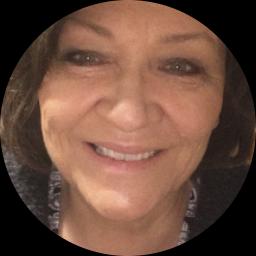
About Dorothy
Dorothy Rogowski is a licensed professional counselor who helps people manage stress, anxiety, trauma, and grief. She brings six years of clinical experience and a calm, steady presence to conversations about difficult life events. Her style is warm and practical.
She listens first, then helps clients find clear steps to reduce anxiety and cope with change. Sessions focus on what feels most urgent for the person in front of her and on skills that can be used between appointments.
Background and approach
Dorothy uses evidence-based methods in a trauma-informed, person-centered way. That means she pays attention to a person’s history and current needs while encouraging clear goals and workable tools. She guides people through processing painful memories and building better daily routines to lower stress.
She also supports people facing compassion fatigue, relationship wounds like attachment or abandonment concerns, and issues such as codependency and forgiveness. Dorothy offers practical strategies for grief, hospice and end-of-life concerns, and finding meaning or life purpose when things feel unsettled. Sessions are held from Colorado and are offered in English.
People connect by video call, phone, live chat, or text-based messaging. The process begins with a short matching questionnaire and scheduling that fits the client’s availability.
Approaches That Translate Well to Online Care
Evidence-based techniques often used online include trauma-informed processing and person-centered work. Trauma-informed processing helps people name and make sense of painful memories while building safety and coping skills. Person-centered methods focus on listening closely and following the client's priorities to create goals and small steps toward improvement.These approaches are adaptable to different needs, and figuring out which methods fit best is part of the work. The therapist collaborates with each person to choose practices and tools based on symptoms, life demands, and personal preferences rather than applying a single method for everyone.
Online sessions are offered by video calls, phone, live chat, or text-based messaging to make therapy more flexible. Video calls allow face-to-face conversation and visual cues. Phone sessions can be easier when internet bandwidth is limited or when someone prefers not to be on camera. Live chat and text-based messaging work well for brief check-ins, written reflection, or when a shorter touchpoint fits a busy day. These formats help people connect from varied schedules and locations while continuing the same therapeutic work they would do in person.
Questions people ask
What concerns does Dorothy commonly address?
How would you describe her therapeutic style?
What is her background and experience?
What credentials and location are listed?
Which languages are supported for sessions?
What session formats are available?
How are fees and payments handled?
What steps are needed to begin working together?
What this therapist works with
Most often
Also listed
- Experience
- 6 years
- Licensed
- Colorado
- Languages
- English
We will earn a commission if you sign up through our link, at no cost to you.