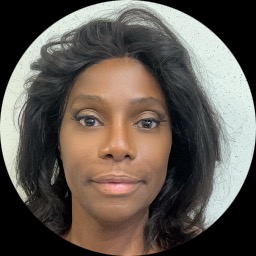
About Dorothy
Dorothy Frazier is a licensed clinical social worker with 30 years of experience. She trained at Columbia University and has worked in hospitals, prisons, employee assistance programs, and outpatient settings. Dorothy has researched and lectured on trauma and addiction and has served as an adjunct professor and coauthor on trauma research.
She helps people dealing with stress and anxiety, addictions, relationship struggles, and effects of trauma and abuse. Dorothy uses straightforward conversation to identify what is most pressing and workable for each person.
Background and approach
Sessions aim to clarify goals and build small, practical steps forward. Dorothy blends Client-Centered Therapy with Cognitive Behavioral Therapy and EMDR when appropriate. That means she listens closely, helps people spot unhelpful thinking patterns, and uses trauma-focused tools when a history of traumatic events is getting in the way.
She explains methods in plain language and sets expectations together with the person she is working with. Her background includes supervision and direct care across many settings, including work with professional athletes and inpatient psychiatric programs. That range informs a flexible approach to different life demands and schedules.
Dorothy describes change as a process and focuses on steady progress rather than quick fixes. People who come to Dorothy can expect a respectful, nonjudgmental conversation about what matters to them. She supports clients who want clearer thinking, better coping skills, and more satisfying relationships as they work toward their goals.
How her approaches work online
Client-Centered Therapy focuses on listening and building a trusting relationship so people can set their own goals and move at their pace. It helps when someone needs a steady, understanding therapist who reflects back concerns and priorities.Cognitive Behavioral Therapy, or CBT, looks at how thoughts and behaviors affect mood and stress. Online sessions can include practicing new coping skills, homework between meetings, and tracking progress to reduce anxiety and panic attacks.
Eye Movement Desensitization and Reprocessing, EMDR, is a trauma-informed method used to reduce the hold of painful memories. When appropriate, EMDR can be adapted to online formats with clear guidance and stepwise pacing to help manage distress.
Dorothy will work together with each person to choose the approach that fits their needs, goals, and comfort level. She treats matching methods as a collaborative decision and adjusts techniques as clients try things and report what helps.
Online therapy offers flexibility through video calls, phone sessions, live chat, and text-based messaging. Video is useful for full conversation and visual cues, phone requires less bandwidth and can fit a work break, and messaging lets people check in between sessions or use brief coaching-style support. These options make it easier to fit therapy into a busy life and to keep momentum between meetings.
Questions people ask
What concerns does she help with?
How does she approach therapy?
What is her professional background?
What are her credentials and location?
Which languages and international options are available?
What session formats does she offer?
How are costs and billing handled?
How do I begin working with her?
What this therapist works with
Most often
- Stress, Anxiety
- Addictions
- Relationship issues
Also listed
Therapeutic approaches
- Experience
- 30 years
- Licensed
- New York
- Languages
- English
We will earn a commission if you sign up through our link, at no cost to you.