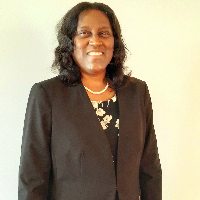
About Doreen
Dr. Doreen Stewart is a licensed mental health counselor with three decades of experience in New York. She combines steady listening with practical steps to help people manage stress and anxiety.
She emphasizes a respectful, nonjudgmental approach and works with each person at their own pace. Dr. Stewart uses everyday, evidence-informed tools in sessions.
She helps people name problems, try small changes, and measure what works. That can mean practicing new coping skills for panic, changing unhelpful thoughts, or building routines for better mood and focus.
Background and approach
Sessions are collaborative. She asks about immediate concerns, goals, and what has helped before. Together they pick clear steps to try between meetings and review progress at the next session.
Her background includes long experience with grief, addictions, relationship strain, trauma and abuse, and life transitions. She also supports people dealing with workplace stress, parenting strain, isolation, and questions of life purpose. Dr.
Stewart has worked with many people on panic attacks, social anxiety, and mood disorders. Practical matters are part of the work. She uses approaches like acceptance and commitment therapy, cognitive behavioral therapy, solution-focused work, and motivational interviewing to shape sessions.
People come away with straightforward tools they can use when stress or setbacks return.
Therapeutic approaches and online support
Dr. Stewart commonly uses Acceptance and Commitment Therapy and Cognitive Behavioral Therapy to guide online work. Acceptance and Commitment Therapy helps people notice their thoughts without getting stuck in them and commit to actions that match their values. Cognitive Behavioral Therapy focuses on identifying unhelpful thought patterns and testing new behaviors to reduce anxiety and improve mood.Finding the right approach is part of the work. She meets people where they are and helps choose or combine methods based on a person’s goals, pacing, and preferences. That collaborative process includes trying techniques and adjusting what does not feel useful.
Online therapy offers flexible ways to stay connected. Video calls let people use visual cues and longer sessions. Phone sessions can fit a quick check-in or work around limited bandwidth. Live chat and text-based messaging are useful for brief check-ins, homework support, or when someone prefers typing to speaking. These options make it easier to fit therapy into a busy life while using ACT, CBT, or solution-focused steps in practical ways.
Questions people ask
What concerns does she help address?
What is her therapy style?
How much experience does she have?
Where is she licensed and based?
Which languages are supported?
Can international clients schedule with her?
What session formats are offered?
How does the cost and getting started process work?
What this therapist works with
Most often
- Stress, Anxiety
- Grief
- Parenting issues
Also listed
- Addictions
- ADHD
- Anger management
- Career difficulties
- Communication problems
- Coping with life changes
- Depression
- Family conflicts
- Forgiveness
- Isolation / loneliness
- Life purpose
- Mood disorders
- Panic disorder and panic attacks
- Relationship issues
- Self esteem
- Social anxiety and phobia
- Trauma and abuse
- Workplace issues
Therapeutic approaches
- Experience
- 30 years
- Licensed
- New York
- Languages
- English
We will earn a commission if you sign up through our link, at no cost to you.