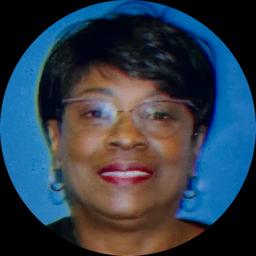
About Derylene
Derylene Proctor is a Florida licensed mental health counselor with 30 years of practice. She focuses on helping people navigate anxiety, depression, addiction, and relationship struggles. Her style is direct and compassionate, aimed at practical change rather than jargon.
She often uses straightforward talk and goal-focused steps to help clients manage stress and rebuild confidence. Sessions aim to clarify what matters most, identify small behavior changes, and practice new ways of responding to difficult emotions.
Background and approach
She supports people working through midlife transitions and those rebuilding after separation or infidelity. Derylene brings a faith-informed perspective when clients want that included in care. She respects each person’s beliefs and weaves those values into therapy when requested.
That can help clients explore forgiveness, self-love, and life purpose while staying focused on real-world progress. Her work also addresses addiction and co-occurring concerns like impulsivity and isolation. She helps people set achievable goals around substance use, communication, and commitment patterns.
Motivational techniques and practical coping skills are common tools in sessions. People meet her for clear strategies and steady support during change. She pays attention to small steps that add up over time and helps clients build skills they can use between meetings.
Practical approaches for online anxiety and life change
Derylene uses Cognitive Behavioral Therapy to help people notice unhelpful thoughts and try different behaviors. CBT focuses on small experiments and skill practice to reduce worry and shift mood. Motivational Interviewing is another main tool she uses to strengthen a person’s own reasons for change and build momentum when motivation feels low.Choosing the right approach is a collaborative process. She works with each person to match methods to their goals, values, and what feels doable. Over a few sessions she and the client will adjust the plan so it fits the person’s needs and everyday routine.
Online sessions are offered via video calls, phone, live chat, or text-based messaging to make counseling more flexible. Video lets people use visual cues and practice communication skills, while phone sessions use less bandwidth and can be easier to fit into a break at work. Text and chat are useful for short check-ins, homework support, and staying connected between meetings. These options help people access care across time zones and around busy schedules.
Questions people ask
What concerns does she help with?
What is her therapeutic style?
How much experience does she have?
Where is she licensed and practicing?
Which languages are supported?
What session formats are available?
How are sessions paid for?
How do I begin therapy with her?
What this therapist works with
Most often
- Addictions
- Relationship issues
- Self esteem
Also listed
Therapeutic approaches
- Experience
- 30 years
- Licensed
- Florida
- Languages
- English
We will earn a commission if you sign up through our link, at no cost to you.