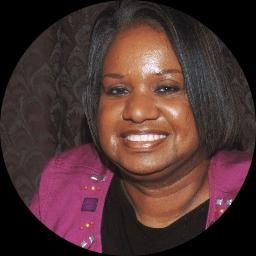
About Denise
Denise Black Winston is a Licensed Professional Counselor (LPC) based in Georgia. She draws on nearly a decade as an LPC and a longer history in social work to help people manage anxiety, stress, depression, and major life changes. Her style is direct and warm, aimed at making conversations feel straightforward and useful.
Before becoming an LPC, she worked for many years in child welfare across several states. That background shaped her focus on family issues, caregiver stress, adoption and foster care, and related challenges.
Background and approach
She uses that experience to address practical problems and emotional strain in day-to-day life. In sessions she leans on Client-Centered approaches, Cognitive Behavioral Therapy, and Solution-Focused methods. Therapy includes talking through what's happening now, identifying unhelpful thinking patterns, and setting clear short-term steps to improve coping.
The work is collaborative and paced to each person's needs. She often helps people dealing with addiction, grief, low self-esteem, social anxiety, or feelings of isolation. Denise also supports those facing HIV/AIDS related concerns and young adult issues.
Conversations are aimed at gaining clarity, building skills, and finding realistic next steps. Practical matters such as appointment format and pacing are discussed up front. Sessions are available by video, phone, live chat, or text messaging, and scheduling follows the therapist's availability and the site's process.
How therapeutic approaches work online
Client-Centered Therapy focuses on listening and understanding a person's experience without judgment. In an online session this means the therapist reflects what she hears, helps clients name their feelings, and follows the client's pace to build trust and clarity.Cognitive Behavioral Therapy (CBT) looks at the links between thoughts, feelings, and actions. Online CBT often involves identifying unhelpful thought patterns, trying new ways of thinking between sessions, and practicing concrete skills to reduce anxiety or depression.
Solution-Focused Therapy aims at short-term, goal-oriented change. Sessions concentrate on small, achievable steps and on what is already working, making it useful for people who want practical progress quickly.
Choosing the right approach is a joint process. The therapist will discuss goals, preferences, and what has or hasn't helped before. Together they decide which methods to use and adjust the plan as progress is made.
Online formats - video calls, phone sessions, live chat, and text messaging - make therapy more flexible. Video works well for deeper conversations and visual cues. Phone can be easier when bandwidth is limited. Live chat and text messaging suit quick check-ins, brief skill practice, or people who prefer not to be on camera. These options help fit therapy into busy schedules and different daily routines.
Questions people ask
What concerns does she work with?
What is her therapeutic style?
How much experience does she have?
What are her credentials and where is she located?
Which languages are supported for sessions?
Are international clients accepted?
What session formats are offered?
How does payment and scheduling work?
What this therapist works with
Most often
- Stress, Anxiety
- Family conflicts
- Self esteem
Also listed
- Addictions
- Adoption and foster care
- Caregiver issues and stress
- Codependency
- Coping with life changes
- Depression
- Drug and alcohol addiction
- Family problems
- Grief
- HIV / AIDS
- Isolation / loneliness
- Self-love
- Social anxiety and phobia
- Young adult issues
Therapeutic approaches
- Experience
- 9 years
- Licensed
- Georgia
- Languages
- English
We will earn a commission if you sign up through our link, at no cost to you.