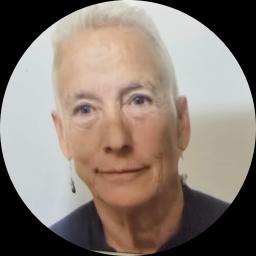
About Debra
Debra Alberts, LCSW, uses an evidence-based, collaborative style to help people facing stress and anxiety. She brings 26 years of clinical experience and speaks plainly about what to expect in sessions. Her approach is direct but supportive, offering practical suggestions while inviting clients to take an active role in change.
She helps people who are coping with depression, trauma and emotional wounds. She also works with those navigating big life changes, grief from separation, and the confusion that comes with isolation or social anxiety.
Background and approach
Panic attacks, feelings of shame or guilt, and struggles with self-worth are common topics she addresses. Sessions focus on concrete skills and real-life practice. Conversations aim to improve communication, manage control issues, and reduce overwhelming stress.
Clients learn steps to deal with panic, tolerate distress, and build routines that support steadier moods. Debra pays special attention to identity-related concerns, including support for LGBT people, and to challenges faced by caregivers. She offers help around relationship endings, forgiveness, and finding life purpose without using jargon.
The tone is pragmatic and compassionate. Based in Arkansas, Debra offers a range of online session formats so people can choose what fits their day. She explains options clearly and guides each person toward a pace that feels manageable.
Many clients appreciate this blend of direct feedback and steady encouragement.
Evidence-based approaches and online care
Debra uses evidence-based therapeutic techniques that focus on teaching skills people can use right away. One common approach she relies on helps people recognize and change unhelpful thoughts and behaviors so panic, social anxiety, and depressive moods become more manageable. Another approach emphasizes learning coping skills and gradual exposure to feared situations to reduce avoidance and build confidence in everyday life.Finding the right approach is collaborative. She will talk with each person about their goals and preferences, and then try techniques that fit those needs. Adjustments are made as work progresses so the plan stays practical and relevant to each person's situation.
Online therapy offers flexibility for busy schedules and different comfort levels. Video calls let people read facial cues and practice skills in real time, phone sessions can be used when bandwidth is limited or for a quick check-in, and live chat or text messaging can support brief updates and coaching between sessions. These options make it easier to keep therapy consistent while fitting it into daily life.
Questions people ask
What kinds of concerns does Debra help with?
How would you describe her therapy style?
What experience does she bring to sessions?
What are her credentials and where is she based?
Which languages are supported for sessions?
What session formats are available?
How are sessions paid for and what do they cost?
How do I begin working with her?
What this therapist works with
Most often
Also listed
- Experience
- 26 years
- Licensed
- Arkansas
- Languages
- English
We will earn a commission if you sign up through our link, at no cost to you.