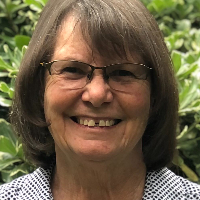
About Deborah
Deborah Mobley is a Licensed Mental Health Counselor (LMHC) with 40 years of practice. She focuses on helping people manage anxiety, stress, addiction struggles, and trauma-related symptoms. Deborah uses clear, practical methods to support day-to-day coping and longer-term recovery.
She often starts by listening to a person's experience and identifying what feels most urgent. Sessions tend to focus on small, achievable steps for calmer thinking and steadier routines. Deborah uses Cognitive Behavioral Therapy and trauma-focused approaches to help people change unhelpful patterns and rebuild a sense of control.
Background and approach
Her background includes work with adults who have faced loss from natural disasters and other major life crises. That experience shaped her approach to grief, post-traumatic stress, and recovery from drug or alcohol addiction. She emphasizes steady, evidence-informed techniques while tailoring each plan to the individual.
Deborah aims for straightforward, hands-on support rather than jargon. She helps people with sleep and eating difficulties, relationship strain, parenting stress, career transitions, and compassion fatigue. Sessions address practical problems like decision-making and coping with mood swings.
People who choose Deborah can expect a collaborative pace and clear goals. She encourages small changes that add up over time and supports clients through setbacks. Her work is focused on helping clients move from surviving to managing and then toward a more purposeful life.
Approaches that guide online care
Deborah commonly uses Cognitive Behavioral Therapy and Trauma-Focused Therapy in her online practice. Cognitive Behavioral Therapy focuses on identifying patterns of thinking that fuel anxiety and unhelpful behavior and then testing new ways of thinking and acting to reduce worry and improve routines. Trauma-Focused Therapy addresses symptoms that follow overwhelming events by gently processing traumatic memories and building skills to manage triggers and flashbacks.Finding the right approach is a collaborative process. The therapist will work with each person to match methods to their goals, symptoms, and comfort level. Together they set practical goals and adjust techniques as needs change so the work stays relevant and manageable.
Online formats include video calls, phone sessions, live chat, and text-based messaging. Video is useful for more in-depth sessions that benefit from face-to-face interaction. Phone sessions can be a good fit when bandwidth is limited or for a shorter check-in. Live chat and text messaging offer flexible, on-the-spot support between appointments. These options make it easier to fit therapy into a busy life and to continue care during transitions or travel.
Questions people ask
What concerns does this therapist help with?
What is the therapy style like?
How much clinical experience does she have?
What credentials and region are listed?
Which languages are supported and are international clients accepted?
What session formats are available?
How are fees handled?
How do I begin working with this therapist?
What this therapist works with
Most often
- Stress, Anxiety
- Addictions
- Family conflicts
Also listed
- Anger management
- Bipolar disorder
- Career difficulties
- Compassion fatigue
- Coping with life changes
- Depression
- Drug and alcohol addiction
- Eating disorders
- Grief
- Intimacy-related issues
- Life purpose
- Parenting issues
- Post-traumatic stress
- Relationship issues
- Self esteem
- Sleeping disorders
- Trauma and abuse
Therapeutic approaches
- Experience
- 40 years
- Licensed
- Florida
- Languages
- English
We will earn a commission if you sign up through our link, at no cost to you.