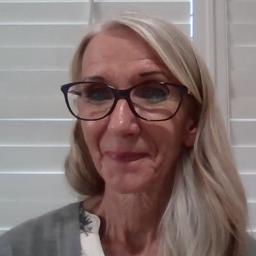
About Deborah
Dr. Deborah Kay Thompson uses a down-to-earth, client-centered approach to help people manage anxiety and related concerns. She is a licensed marriage and family therapist (LMFT) with 23 years of experience in Colorado.
Her style is warm and straightforward. She focuses on what a person wants to change and how to get there. She often combines client-centered work with cognitive behavioral techniques.
That means she listens first, then helps people notice patterns of thought and behavior that keep problems going.
Background and approach
She also uses motivational interviewing to support those who struggle with addictions or finding the drive to change. Her practice covers a wide range of concerns such as stress, anxiety, depression, relationship and intimacy issues, parenting strain, and substance use. She also helps people facing trauma, life transitions, and struggles with self-esteem, impulse control, or feelings of emptiness.
In sessions she aims to make goals clear and practical. Conversations focus on small, doable steps and on building skills people can use between appointments. She pays attention to how relationships and communication affect emotional health.
People meet with her by video call, phone, live chat, or text-based messaging. Sessions follow a subscription model that can be canceled at any time. To begin, a person completes a brief matching questionnaire and schedules appointments based on therapist availability.
Therapeutic approaches that fit online care
Client-centered therapy focuses on listening, empathy, and building a trusting relationship. It helps people feel heard and figure out their own next steps when dealing with anxiety, relationship concerns, or life changes.Cognitive behavioral therapy, or CBT, helps people notice unhelpful thoughts and try different behaviors. It is practical and skill-based, and it can help with anxiety, depression, and coping with stress.
Motivational interviewing helps people find internal reasons to change when they feel stuck, especially around addictions or challenging habits. It uses questions and reflection rather than advice to build motivation.
Finding the right approach is part of the work. The therapist will listen to goals and preferences, then suggest which methods to try. Decisions about techniques and pace are made together so the plan fits each person's needs.
Online sessions are offered by video call, phone, live chat, or text-based messaging to make scheduling easier. Video is often used for full sessions and visual cues, phone works well for shorter check-ins or when bandwidth is limited, and chat or messaging can support brief updates or between-session contact. These options give flexibility to fit therapy into daily life while keeping focus on progress and practical skills.
Questions people ask
What kinds of concerns does she address?
What is her therapeutic style?
How much experience does she have?
What credentials and location are listed?
Which languages are offered and can international clients join?
What session formats are available?
How is cost handled?
What is the first step to begin working together?
What this therapist works with
Most often
- Stress, Anxiety
- Addictions
- Relationship issues
Also listed
- ADHD
- Anger management
- Avoidant personality
- Bipolar disorder
- Codependency
- Communication problems
- Control issues
- Coping with life changes
- Dependent personality
- Depression
- Dissociation
- Divorce and separation
- Domestic violence
- Drug and alcohol addiction
- Emptiness
- Family conflicts
- Guilt and shame
- Impulsivity
- Infidelity
- Intimacy-related issues
- Isolation / loneliness
- Life purpose
- Mood disorders
- Narcissism
- Parenting issues
- Post-traumatic stress
- Self esteem
- Social anxiety and phobia
- Trauma and abuse
Therapeutic approaches
- Experience
- 23 years
- Licensed
- Colorado
- Languages
- English
We will earn a commission if you sign up through our link, at no cost to you.