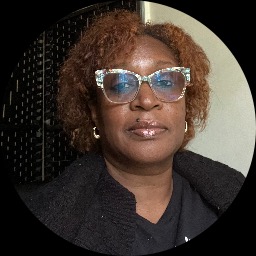
About Deanna
Deanna Dillard is a Licensed Professional Counselor with 18 years of experience. She practices in Georgia and helps people who are dealing with stress, anxiety, depression, and relationship struggles. She focuses on practical ways to cope so clients can make steady, manageable changes.
She creates a calm space where people can say what they are feeling. Sessions are centered on the person in front of her, with straightforward conversations and respectful listening.
Background and approach
The goal is to reduce shame and increase confidence in everyday choices. Deanna draws on cognitive behavioral approaches to spot and change unhelpful thinking patterns. She also uses client-centered techniques to follow each person's pace and priorities.
When relationship issues come up, she applies ideas from the Gottman Method to improve communication and problem solving. Her work covers a wide range of concerns including trauma and abuse, grief, addictions, eating and sleeping problems, parenting stress, ADHD, and identity matters like gender dysphoria. She also addresses multicultural issues and complex situations such as infidelity, hoarding, and non-monogamous relationship dynamics.
Sessions are delivered in English and she accepts clients outside the United States. Deanna aims to help people build steady skills for coping with life changes and to regain a sense of direction and balance.
Practical therapeutic approaches for online care
Deanna uses Client-Centered Therapy to follow the client's lead, offering steady listening and support so people can talk through what matters most. This approach helps when someone needs acceptance first, then gentle guidance to make changes.She also applies Cognitive Behavioral Therapy, which focuses on spotting thoughts and behaviors that keep problems going and testing new ways of thinking and acting. CBT is helpful for anxiety, stress, sleep and mood changes because it yields clear skills people can practice between sessions.
Finding the right approach is part of the work. She will talk with each person about goals and preferences, and the two of them will choose techniques that fit the situation. That collaborative process helps shape a plan that feels realistic and manageable.
Online sessions are offered by video call, phone, live chat, or text-based messaging to make therapy more flexible. Video calls let people use visual cues for deeper conversations. Phone sessions can be a simpler option with less bandwidth. Live chat and messaging support shorter check-ins or ongoing reflection between meetings. These formats help clients fit therapy into busy lives and keep progress moving forward.
Questions people ask
What kinds of problems does she address?
What is her style in sessions?
How long has she been practicing?
Where is she licensed and located?
Which languages are supported for sessions?
What session formats are available?
How does payment and cost work?
How do I begin therapy with her?
What this therapist works with
Most often
- Stress, Anxiety
- Addictions
- Relationship issues
Also listed
- ADHD
- Anger management
- Bipolar disorder
- Career difficulties
- Compassion fatigue
- Coping with life changes
- Depression
- Eating disorders
- Family conflicts
- Gender dysphoria
- Grief
- Hoarding
- Infidelity
- Intellectual disability
- Intimacy-related issues
- Jealousy
- LGBT
- Multicultural concerns
- Parenting issues
- Polyamory / non-monogamous relationships
- Self esteem
- Sleeping disorders
- Trauma and abuse
- Veteran and Armed Forces Issues
Therapeutic approaches
- Experience
- 18 years
- Licensed
- Georgia, South Carolina
- Languages
- English
We will earn a commission if you sign up through our link, at no cost to you.