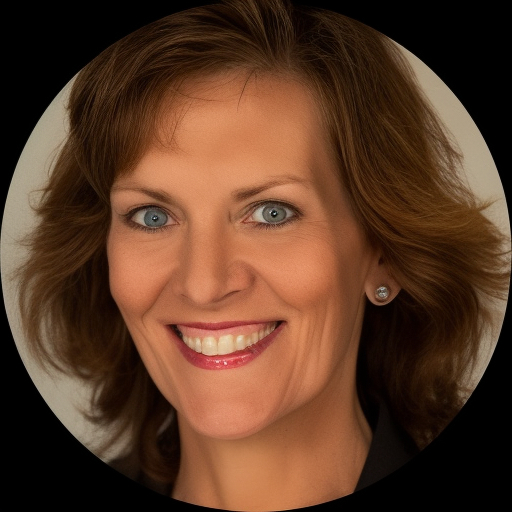
About Darlene
Dr. Darlene Groomes is a Michigan Licensed Professional Counselor (LPC) who helps people managing stress and anxiety. She focuses on practical steps people can use day to day.
Her approach centers on understanding each person's goals and strengths. She brings four years of clinical experience working with trauma and loss. She also supports people facing addictions, relationship strain, grief, and low self-esteem.
She pays attention to how mental, physical, social, and spiritual needs connect in someone's life.
Background and approach
In sessions she listens closely and aims to validate what a person has gone through. She blends client-centered care with structured techniques so people can try new ways of coping. Mindfulness practices and cognitive tools are used to reduce worry and improve focus.
Dr. Groomes also works with concerns such as parenting stress, intimacy-related issues, anger, career transitions, and compassion fatigue. She has experience addressing ADHD, body image, blended family issues, and problems that come from family of origin or past relationships.
People who meet with her can expect straightforward conversation and practical skills to try between meetings. If her approach isn't the right fit, she will help refer to other local resources. Sessions are offered in English and organized around each person's needs.
Therapeutic approaches you can use online
Client-centered therapy puts the person's needs and goals at the center of the work and emphasizes listening, empathy, and collaboration to guide change. It helps when someone wants to feel heard and build their own solutions.Cognitive Behavioral Therapy (CBT) focuses on practical skills to change unhelpful thinking and behavior patterns. CBT is often used for anxiety, stress, and mood concerns and gives clear tools to try between sessions.
Dialectical Behavior Therapy (DBT) teaches emotion regulation, distress tolerance, and interpersonal skills. Those tools are useful for managing intense emotions, reducing reactive behaviors, and improving relationships.
Finding the right approach is part of the process. The therapist will work with each person to pick methods that match their needs, goals, and preferences. That decision is made together and can be adjusted as progress is tracked.
Online therapy offers flexibility through video calls, phone sessions, live chat, or text-based messaging. Video suits deeper, face-to-face conversations. Phone can be easier when bandwidth is limited or when someone prefers not to be on camera. Live chat and messaging let people check in more frequently or use written exchanges for brief coaching and skills practice. These formats help fit therapy into busy days and different schedules.
Questions people ask
What concerns does this therapist help with?
What is her general therapy style?
What kind of experience does she have?
Where is this therapist licensed and located?
Which languages are supported for sessions?
What session formats are available?
How are costs handled for sessions?
How do I begin working together?
What this therapist works with
Most often
- Stress, Anxiety
- Addictions
- Relationship issues
Also listed
- ADHD
- Anger management
- Autism and Asperger Syndrome
- Blended family issues
- Body image
- Career difficulties
- Coaching
- Compassion fatigue
- Coping with life changes
- Depression
- Divorce and separation
- Drug and alcohol addiction
- Family conflicts
- Family of origin issues
- Family problems
- Fertility issues
- First responder issues
- Forgiveness
- Grief
- Intellectual disability
- Intimacy-related issues
- Life purpose
- Midlife crisis
- Parenting issues
- Prejudice and discrimination
- Self esteem
- Self-love
- Social anxiety and phobia
- Trauma and abuse
- Veteran and Armed Forces Issues
- Workplace issues
- Young adult issues
Therapeutic approaches
- Experience
- 4 years
- Licensed
- Michigan
- Languages
- English
We will earn a commission if you sign up through our link, at no cost to you.