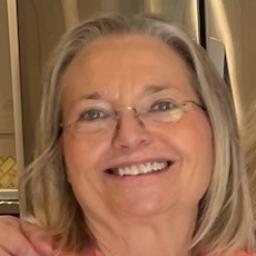
About Cyri
Cyri Krantz is a licensed clinical social worker with 15 years of experience who helps people facing anxiety, depression, grief, and life changes. She focuses on practical steps you can use between sessions. Her approach aims to make talking about hard things feel manageable rather than overwhelming.
She works with people dealing with addictions, trauma and abuse, and anger. She also supports those coping with bipolar disorder and panic attacks.
Background and approach
Communication problems, relationship strain, and isolation are other areas she addresses. Cyri uses tools from cognitive behavioral therapy and acceptance and commitment therapy to help people notice unhelpful thinking and take small, values-based actions. She also draws on client-centered and existential ideas to center each person's values and choices.
Conversations are shaped to fit the concerns and goals a person brings to therapy. Her training includes LSCSW and LCSW credentials and she is licensed in Kansas and Missouri. Over her career she has built experience in both short-term problem-focused work and longer-term exploration.
Sessions emphasize straightforward language and practical skills. People who choose Cyri tend to want clear steps and a respectful space to talk through difficult feelings. She encourages realistic goal-setting and gentle progress.
The focus is on helping people regain steadiness and move toward a life that feels more meaningful.
How Cyri’s Approaches Work Online
Acceptance and Commitment Therapy, or ACT, focuses on helping people clarify what matters to them and take small actions in those directions even when feelings are difficult. It can help with anxiety, depression, and panic by shifting attention from fighting thoughts to living by chosen values. Cognitive Behavioral Therapy, or CBT, looks at the links between thoughts, feelings, and behaviors and teaches practical skills to change unhelpful patterns. It can be useful for panic, social anxiety, and stress.Choosing the right approach is part of the work together. The therapist will talk with each person about their goals, preferences, and current needs and then try methods that fit. That decision is collaborative and can change as progress is made.
Online sessions are offered by video calls, phone sessions, live chat, or text-based messaging to make therapy fit everyday life. Video is useful for fuller conversations and seeing nonverbal cues. Phone sessions can be easier when bandwidth is limited or a shorter check-in is needed. Live chat and text-based messaging let people send updates and questions between sessions and can help maintain continuity during busy periods. These options aim to increase flexibility so therapy can work around schedules and practical constraints.
Questions people ask
What concerns does Cyri address in therapy?
What is the overall therapeutic style?
How much clinical experience does she have?
What credentials and region are listed for this therapist?
Which languages are supported and can international clients be seen?
In what formats are sessions offered?
How does payment and cost work?
How do I begin working with this therapist?
What this therapist works with
Most often
- Addictions
- Trauma and abuse
- Anger management
Also listed
- Bipolar disorder
- Communication problems
- Coping with life changes
- Depression
- Divorce and separation
- Forgiveness
- Grief
- Guilt and shame
- Isolation / loneliness
- Life purpose
- Panic disorder and panic attacks
- Paranoia
- Personality disorders
- Post-traumatic stress
- Relationship issues
- Self-harm
- Self-love
- Social anxiety and phobia
- Stress, Anxiety
Therapeutic approaches
- Experience
- 15 years
- Licensed
- Kansas, Missouri
- Languages
- English
We will earn a commission if you sign up through our link, at no cost to you.