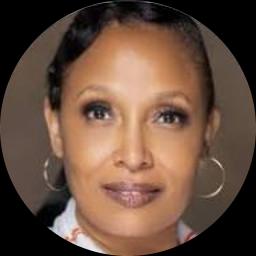
About Cynthia
Cynthia Rolf is a licensed marriage and family therapist with nine years of clinical experience. She practices in Missouri and has worked with people facing stress, anxiety, depression, relationship troubles, and life transitions. Cynthia brings a calm, interactive style to sessions and focuses on helping clients find practical ways forward.
Her background includes work with people who have experienced trauma, abuse, anger concerns, and grief. She also supports those managing parenting strains, career uncertainty, bipolar mood concerns, and attention-related difficulties.
Background and approach
Cynthia uses several therapy approaches to match what a client needs in the moment. In session she keeps things respectful and down-to-earth. Conversations are tailored to each person instead of following a one-size-fits-all plan.
Cynthia avoids stigmatizing labels and aims to create a space where someone can speak openly and be heard. Her practice blends attachment-based ideas, client-centered listening, cognitive-behavioral strategies, existential reflection, and relationship work influenced by the Gottman Method. This mix helps people address both immediate symptoms and the longer patterns behind them.
Cynthia collaborates with clients to set clear goals and practical steps. Typical appointments can include skill practice, talking through relationship patterns, and planning small changes to daily routines. Sessions may happen by video, phone, live chat, or text messaging.
Cynthia works with each person to decide which format and pace fit their life.
How therapeutic approaches translate to online care
Attachment-based work focuses on how early connections shape current relationships and emotional patterns; online sessions can help identify those patterns and practice new ways of relating. Client-centered therapy emphasizes listening and empathy, giving people space to tell their story and name what matters most while the therapist reflects and supports. Cognitive Behavioral Therapy, or CBT, teaches practical strategies to change unhelpful thoughts and behaviors and is useful for anxiety, panic, and mood concerns.Choosing the right approach is a team effort. Cynthia will discuss goals, preferences, and what feels most useful, then shape sessions around those priorities. That collaborative decision-making continues over time so the plan can change as progress is made.
Online formats include video calls, phone sessions, live chat, and text-based messaging. Video lets people read facial cues and do deeper work, phone can be easier when bandwidth is limited, live chat offers a quicker back-and-forth for focused check-ins, and text messaging supports short updates or ongoing reflections between scheduled meetings. These options make it easier to fit therapy into work, family, and daily life while keeping the focus on measurable steps and real-world practice.
Questions people ask
What concerns does Cynthia address?
How does she approach therapy?
What is her experience?
What credentials and location details matter?
Which languages are supported for sessions?
What session formats are available?
How is cost handled?
How do I begin working with her?
What this therapist works with
Most often
- Stress, Anxiety
- Relationship issues
- Self esteem
Also listed
- ADHD
- Anger management
- Attachment issues
- Bipolar disorder
- Career difficulties
- Communication problems
- Control issues
- Coping with life changes
- Depression
- Divorce and separation
- Emptiness
- Family conflicts
- Family of origin issues
- Forgiveness
- Grief
- Guilt and shame
- Infidelity
- Intimacy-related issues
- Isolation / loneliness
- Life purpose
- Midlife crisis
- Multicultural concerns
- Panic disorder and panic attacks
- Parenting issues
- Post-traumatic stress
- Prejudice and discrimination
- Trauma and abuse
- Women's issues
- Workplace issues
Therapeutic approaches
- Experience
- 9 years
- Licensed
- California, Missouri
- Languages
- English
We will earn a commission if you sign up through our link, at no cost to you.