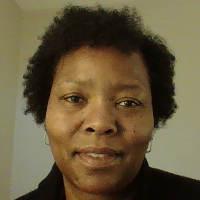
About Connie
Connie Morris is a Licensed Professional Counselor (LPC) based in Georgia who helps people manage anxiety and everyday stress. She talks with clients about what feels hard right now and focuses on small, practical steps. Her style aims to make people feel heard and respected from the first session.
Connie uses straightforward, problem-focused methods that make sense in daily life. She draws on cognitive behavioral techniques to identify unhelpful thoughts and change routines that fuel anxiety or low mood.
Background and approach
She also uses client-centered ideas to keep sessions calm and nonjudgmental. When substance use or motivation is part of the problem, she uses motivational interviewing to uncover a person’s own reasons for change. For shorter-term goals, solution-focused work can help people find immediate next steps and build momentum.
Trauma-focused methods are used when past events still cause strong reactions in the present. With three years of documented experience and an LPC credential, Connie combines practical tools with a respectful tone. Sessions are conversational and goal-oriented, so clients leave with clear actions to try between meetings.
She works with a range of concerns including depression, anger, addictions, grief, bipolar disorder, relationship strain, ADHD, and trauma-related issues. People who want direct, usable strategies often do well with her approach. Connie invites those ready to make changes to try manageable steps and revisit what’s working as therapy progresses.
Approaches that guide online sessions
Client-centered therapy focuses on listening closely and reflecting back what the client says. It helps people feel understood and decide their own next steps. Cognitive Behavioral Therapy, or CBT, looks at the links between thoughts, feelings, and behaviors and teaches practical skills to change unhelpful patterns. CBT is often used for anxiety, depression, and stress-related problems.Choosing the right approach is a team effort. The therapist will talk with the client about goals and try methods that suit their needs and style. That collaborative process means plans can change as the person learns what works best for them.
Online therapy offers flexibility with video calls, phone sessions, live chat, and text-based messaging. Video lets the conversation feel more like an in-person visit while phone sessions work when bandwidth is limited or a camera isn't wanted. Live chat and text messaging make shorter check-ins possible between sessions or fit into busy days. These options help people fit therapy into work, school, or family schedules without long commutes.
Questions people ask
What concerns does Connie address?
What is her general therapy style?
How much experience does she have?
Where is Connie licensed to practice?
Which languages are supported?
Can international clients work with her?
What session formats are available?
How do I start a therapy process with her?
What this therapist works with
Most often
- Stress, Anxiety
- Addictions
- Anger management
Also listed
- ADHD
- Bipolar disorder
- Coping with life changes
- Depression
- Family conflicts
- Grief
- Relationship issues
- Self esteem
- Trauma and abuse
Therapeutic approaches
- Experience
- 3 years
- Licensed
- Georgia
- Languages
- English
We will earn a commission if you sign up through our link, at no cost to you.