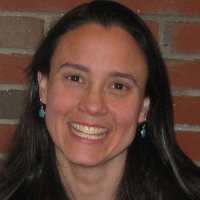
About Catherine
Catherine Duthie is a Licensed Clinical Professional Counselor (LCPC) who brings 18 years of hands-on work with people facing stress, anxiety, addictions, and related concerns. She practices from Maine and uses straightforward, goal-oriented conversation to help people make real changes. Catherine values practical steps and clear next moves in each session.
She trained in counseling psychology with a focus on substance use and holds a Master of Arts in Counseling Psychology.
Background and approach
Catherine has worked in community mental health settings, a medical center, and a hospital, and she has experience supporting people with co-occurring concerns like depression and relapse risk. In sessions she leans on client-centered work to build trust and on cognitive behavioral techniques to identify unhelpful thoughts and behaviors. Motivational interviewing is part of her approach when people want to change habits.
She also brings trauma-focused ideas when past events affect day-to-day coping. Catherine often helps people manage anger, grief, parenting strain, and career stress. She pays attention to multicultural concerns and the impacts of prejudice and discrimination on wellbeing.
Conversations are direct but compassionate, with attention to the practical steps someone can try between meetings. Outside of work she enjoys running, kayaking, swimming, and reading, and she spends time with her daughter. Her style is collaborative and down-to-earth, inviting people to start where they are and plan what comes next.
How her approaches translate to online care
Cognitive Behavioral Therapy helps people spot the thoughts and behaviors that maintain anxiety or low mood. Catherine uses simple exercises to test new ways of thinking and to build small, manageable behavior changes that can lessen symptoms over time.Motivational Interviewing focuses on a person’s own reasons for change. It involves gentle, focused conversations that uncover motivation and remove barriers. This approach is useful for habits, addictions, and when someone feels stuck about making a change.
Finding the right approach is a collaborative process. Catherine will discuss goals, try methods that fit a person's preferences, and adjust techniques when needed. The work is a team effort where the therapist and client decide what makes the most sense.
Online sessions make it easier to fit therapy into a busy life. Video calls let people use face-to-face interaction without traveling. Phone sessions can be a good option when lower bandwidth or a shorter check-in is needed. Live chat and text-based messaging are helpful for brief updates, reflections between sessions, or when typing feels more comfortable. These options aim to increase flexibility and keep the focus on steady progress.
Questions people ask
What concerns does she help with?
How does she approach therapy?
What is her background?
What credentials and location are listed?
What languages are supported?
What session formats are available?
How does cost and payment work?
How do I begin working with her?
What this therapist works with
Most often
- Stress, Anxiety
- Addictions
- Relationship issues
Also listed
- ADHD
- Anger management
- Bipolar disorder
- Career difficulties
- Coaching
- Compassion fatigue
- Coping with life changes
- Depression
- Eating disorders
- Family conflicts
- Grief
- LGBT
- Multicultural concerns
- Parenting issues
- Prejudice and discrimination
- Self esteem
- Trauma and abuse
Therapeutic approaches
- Experience
- 18 years
- Licensed
- Maine
- Languages
- English
We will earn a commission if you sign up through our link, at no cost to you.