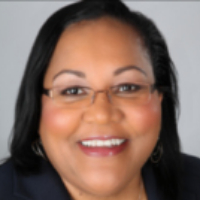
About Carol
Carol Watler is a licensed mental health counselor with 17 years of experience. She helps people who are feeling overwhelmed by anxiety, stress, grief, or life changes. Carol speaks plainly and focuses on what needs to happen now to make daily life more manageable.
She blends practical talking therapy with tools that change unhelpful thoughts and behaviors. Carol often uses methods that help process traumatic memories and reduce strong emotional reactions.
Background and approach
Sessions focus on simple skills you can use between appointments to feel steadier and more in control. Carol trained at Liberty University where she earned a Master of Arts in Professional Counseling and later studied divinity. Her background includes work as a hospital chaplain, where she provided emotional support during medical crises and grief.
That experience shaped her approach to emotional pain and practical support. Her work aims to address multiple parts of life at once - emotional, mental, and spiritual when clients want that included. She has led workshops on managing stress, grief, and coping skills for community groups.
Carol also assists people in finding outside resources and referrals when additional help is needed. Clients can expect straightforward counseling that targets clear goals. Progress is measured in concrete steps and small changes that build over weeks and months.
Carol practices in New York and offers online options for people who need flexibility.
How her approaches translate to online therapy
Client-centered therapy focuses on listening and following the client's lead. In practice this means the therapist reflects what the client says, asks gentle questions, and helps clients identify their own next steps. It works well for people who want a supportive space to sort through feelings.Cognitive behavioral therapy, or CBT, teaches specific skills to change unhelpful thoughts and behaviors. Sessions include practice exercises, simple homework, and step-by-step plans to reduce anxiety, manage mood, or address workplace stress.
EMDR is used to help process traumatic memories and reduce their emotional charge. In sessions this can involve guided attention and recall work to lessen the intensity of distressing memories and related reactions.
Finding the right approach is collaborative. The therapist will discuss different options, try techniques in session, and adjust based on what helps most. Clients and the therapist set goals together and check progress regularly to choose the best path forward.
Online therapy offers flexibility for busy schedules and different comfort levels. Video calls allow face-to-face conversation and visual cues, phone sessions can fit into a break or require less bandwidth, and live chat or text messaging are useful for short check-ins or when writing feels easier. These formats make it simpler to keep consistent appointments and apply new skills between sessions.
Questions people ask
What kinds of concerns does she address?
What is her therapeutic style like?
How long has she practiced?
Where is she based and what are her credentials?
Can non-U.S. clients work with her?
What session formats are available?
How is payment handled?
How do I begin working with her?
What this therapist works with
Most often
- Stress, Anxiety
- Relationship issues
- Parenting issues
Also listed
- Addictions
- ADHD
- Anger management
- Bipolar disorder
- Career difficulties
- Caregiver issues and stress
- Coaching
- Communication problems
- Compassion fatigue
- Coping with life changes
- Depression
- Family conflicts
- Grief
- Life purpose
- Mood disorders
- Post-traumatic stress
- Self esteem
- Self-love
- Social anxiety and phobia
- Trauma and abuse
- Workplace issues
Therapeutic approaches
- Experience
- 17 years
- Licensed
- New York
- Languages
- English
We will earn a commission if you sign up through our link, at no cost to you.