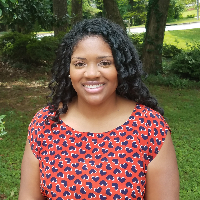
About Carlie
Carlie Sherman is a Licensed Professional Counselor (LPC) with 11 years of clinical experience. She focuses on practical tools for stress, anxiety, trauma, ADHD, and related concerns. Carlie writes plainly and aims to make therapy easy to understand for busy people.
She draws on cognitive behavioral strategies to help people change unhelpful thoughts and behaviors. She also uses mindfulness practices to teach grounding and present-moment skills. Her background includes hospital work, crisis care, and independent practice in Georgia.
Background and approach
Carlie takes a biopsychosocial view, which means she looks at biological, psychological, and social factors that affect a person’s difficulties. In sessions she helps people connect what’s happening in their bodies and daily routines to moods and behavior. That makes treatment more practical and tailored.
She has experience applying Eye Movement Desensitization and Reprocessing, commonly called EMDR, when trauma processing fits a client’s goals. Carlie also brings coaching-style support for life transitions, workplace stress, and building routines for adults with ADHD. Her personal journey includes influences from different faith backgrounds, and she notices cultural and spiritual factors when they matter to a person’s care.
Carlie aims to help people improve sleep, reduce overwhelm, and rebuild self-esteem through step-by-step work. People who want clear strategies and steady guidance often find her approach direct and collaborative. She encourages small, achievable steps so progress can be tracked and adjusted along the way.
How her approaches translate to online therapy
CBT, or cognitive behavioral therapy, focuses on identifying and changing unhelpful thoughts and behaviors. Online CBT sessions often include homework, worksheets, and short check-ins to practice skills between meetings. EMDR, or Eye Movement Desensitization and Reprocessing, is a method used for processing traumatic memories; when appropriate it can be adapted for video or phone sessions with clear preparation and pacing. Mindfulness therapy teaches simple attention and breathing exercises to reduce reactivity and improve focus, and these practices can be taught and practiced live during sessions.Carlie approaches finding the right method as a team effort. She discusses goals, past treatments, and personal preferences to choose whether CBT, EMDR, mindfulness, or a mix will work best. The plan can change over time based on how a person responds and what fits their life.
Online sessions offer flexibility for people juggling work, caregiving, or busy schedules. Video calls let therapists and clients use visual cues and guided exercises. Phone sessions can be easier when bandwidth is limited or a shorter check-in is needed. Live chat and text-based messaging support quick check-ins, step-by-step coaching, and ongoing skill practice between longer sessions. These options make it easier to keep therapy consistent while fitting it into everyday life.
Questions people ask
What concerns does she help with?
How would you describe her therapy style?
What is her professional background?
What credentials and region are listed?
Which languages and international options are available?
What session formats are offered?
How do costs and billing work?
How do I begin therapy with her?
What this therapist works with
Also listed
- ADHD
- Coaching
- Commitment issues
- Communication problems
- Compassion fatigue
- Disruptive Mood Dysregulation Disorder (DMDD)
- Family conflicts
- Family problems
- Forgiveness
- Guilt and shame
- Impulsivity
- Isolation / loneliness
- LGBT
- Multicultural concerns
- Seasonal Affective Disorder (SAD)
- Self esteem
- Sleeping disorders
- Social anxiety and phobia
- Women's issues
- Workplace issues
- Young adult issues
Therapeutic approaches
- Experience
- 11 years
- Licensed
- Georgia
- Languages
- English
We will earn a commission if you sign up through our link, at no cost to you.