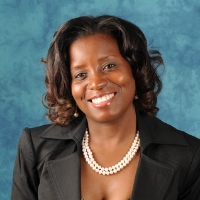
About Carissa
Dr. Carissa Ferguson-thomas is a Licensed Clinical Social Worker (LCSW) with more than 22 years of experience. She practices in New Jersey and focuses on helping people who feel overwhelmed by stress, anxiety, grief, depression, trauma, and major life changes.
Her style is caring and direct, aimed at making therapy understandable and useful from the first session. She trained in clinical psychology and social work and blends those perspectives into a straightforward approach.
Background and approach
Cognitive Behavioral Therapy (CBT) is a core method she uses to help people change unhelpful thoughts and behaviors. Sessions move at a practical pace, with clear steps and tools clients can try between meetings. Carissa meets each person where they are and builds a plan around their goals.
She listens for what matters most, then helps people practice new ways of coping. That can include managing panic attacks, easing persistent worry, or rebuilding routine after loss. Her background includes work across clinical settings with adults facing anxiety, panic disorder, obsessive thoughts, depression, and relationship or family-related stress.
She also addresses issues like caregiver strain, communication problems, forgiveness, and feelings of isolation. Therapy with Dr. Ferguson-thomas focuses on practical skills, clear discussion, and steady progress.
Many sessions include targeted exercises from CBT, checking what works, and adjusting the plan as needed. She aims to help people feel more capable and less stuck as they move forward.
CBT and Online Support for Anxiety and Life Transitions
Dr. Ferguson-thomas uses Cognitive Behavioral Therapy to help people identify unhelpful thoughts and try new behaviors. CBT sessions often include concrete exercises, step-by-step skill practice, and planning small experiments to reduce anxiety and panic symptoms.Her work combines CBT with a person-centered, trauma-aware attitude. That means she listens first, then collaborates on which techniques fit a person's needs and goals. Clients and the therapist decide together what to try and when to adjust the plan so it matches real life.
Online sessions use video calls, phone sessions, live chat, or text-based messaging to make therapy easier to fit into a busy life. Video lets people use visual cues for deeper conversation. Phone calls can be a simpler option when bandwidth or being on camera is difficult. Chat and text are useful for brief check-ins, practicing skills between sessions, or when a written format helps process thoughts. These options give flexibility so work, caregiving, or travel are less likely to interrupt progress.
Questions people ask
What concerns does she address?
How would you describe her therapeutic style?
What is her professional background?
Which credentials and location are listed?
Are sessions offered in other languages or internationally?
What session formats are available?
How does cost and billing work?
How do I begin working with her?
What this therapist works with
Most often
- Stress, Anxiety
- Relationship issues
- Family conflicts
Also listed
- Anger management
- Caregiver issues and stress
- Communication problems
- Control issues
- Coping with life changes
- Depression
- Divorce and separation
- Emptiness
- Family of origin issues
- Family problems
- Fatherhood issues
- Forgiveness
- Grief
- Guilt and shame
- Infidelity
- Intimacy-related issues
- Isolation / loneliness
- Jealousy
- Life purpose
- Panic disorder and panic attacks
- Parenting issues
- Phobias
- Postpartum depression
- Self esteem
- Self-love
- Social anxiety and phobia
- Trauma and abuse
- Women's issues
- Workplace issues
Therapeutic approaches
- Experience
- 22 years
- Licensed
- New Jersey, Pennsylvania
- Languages
- English
We will earn a commission if you sign up through our link, at no cost to you.