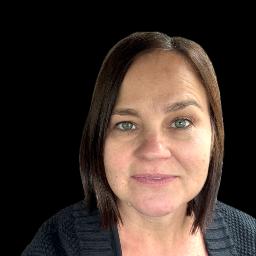
About Cara
Cara Barton is a licensed clinical social worker with 15 years of experience. She helps people who are feeling overwhelmed by anxiety, stress, low self-esteem, or major life changes. She speaks plainly and aims to make beginning therapy feel straightforward and doable for anyone taking that first step.
Cara focuses on practical, moment-to-moment support. Sessions center on what is happening now and what can change to ease distress. She adapts conversation and goals to each person, so work is relevant and realistic rather than one-size-fits-all.
Background and approach
Her background includes many years helping people cope with depression, grief, and trauma. She also supports those struggling with sleep, eating concerns, mood shifts, panic, and obsessive thoughts. That experience helps her recognize common patterns and offer clear strategies to move forward.
Cara pays attention to relationships and communication problems that affect daily life. She works with issues such as intimacy, parenting pressures, career strain, caregiver stress, and burnout. When medical or life transitions arise, she helps people sort priorities and choices.
Sessions aim to build skills like managing panic, improving self-talk, and creating small routines that make a big difference. Her style is compassionate and practical - she listens, then helps people take manageable steps toward change.
How evidence-based techniques translate to online care
Cara uses evidence-based techniques that focus on concrete skills and clear goals. One common approach emphasizes learning tools to manage anxiety and panic attacks, such as breathing and grounding exercises plus steps to reduce avoidance. This helps people lower immediate symptoms and feel more in control.Another approach centers on mood and behavioral change by building small routines and coping habits. That kind of work targets depression, low motivation, sleep, and energy problems through gradual, achievable adjustments to daily life.
Choosing the right approach is a shared process. Cara talks with each person about their goals, preferences, and what has or hasn't worked before, and then she and the client try methods that fit. Adjustments are made along the way so the plan stays useful and relevant.
Online therapy offers practical flexibility. Video calls let the therapist and client work face-to-face when a longer session is needed, while phone sessions can be a simpler option when bandwidth or being on camera is a concern. Live chat and text messaging support shorter check-ins, accountability, or coach-style touchpoints between longer sessions. These options make it easier to fit therapy into a busy life and try different formats to see what works best.
Questions people ask
What concerns does Cara commonly help with?
What is her therapeutic style and approach?
How much experience does she bring?
What are her credentials and where is she based?
Which languages are available for sessions?
What session formats does she use?
How is cost handled for sessions?
How do I begin working with her?
What this therapist works with
Most often
Also listed
- Anger management
- Bipolar disorder
- Body image
- Cancer
- Career difficulties
- Caregiver issues and stress
- Chronic pain, illness, and disability
- Coaching
- Communication problems
- Compassion fatigue
- Coping with life changes
- Depression
- Eating disorders
- Family conflicts
- Guilt and shame
- Hospice and end-of-life counseling
- Intimacy-related issues
- Isolation / loneliness
- Mood disorders
- Obsessions, compulsions, and OCD
- Panic disorder and panic attacks
- Parenting issues
- Postpartum depression
- Self-love
- Sleeping disorders
- Social anxiety and phobia
- Trauma and abuse
- Women's issues
- Experience
- 15 years
- Licensed
- Arizona
- Languages
- English
We will earn a commission if you sign up through our link, at no cost to you.