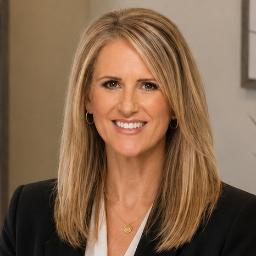
About Brandi
Brandi Halverson is a Licensed Professional Counselor (LPC) based in Texas who helps people cope with stress, anxiety, relationship strain, trauma and abuse, depression, and major life changes. She focuses on practical steps people can use right away. Brandi aims to make therapy straightforward and steady during uncertain times.
She uses a compassionate, client-centered style. Sessions focus on building coping skills, spotting patterns that cause pain, and trying new ways of handling difficult situations.
Background and approach
Brandi works at a calm pace and partners with each person to set clear, achievable goals. Her work draws on evidence-based therapeutic techniques and a trauma-informed viewpoint. That means attention to how past hurt affects current feelings and behavior, and choosing approaches shown to help with anxiety, panic, and obsessive worries.
Brandi encourages small experiments in daily life so people can test what improves their mood and relationships. Over 13 years she has helped people regain confidence after difficult transitions. She offers steady guidance for managing impulses, reducing avoidance, and repairing communication problems.
The focus is on real-life change rather than abstract theory. Brandi conducts sessions in English and practices in Texas. She uses practical tools to address attachment issues, codependency, phobias, and other listed concerns.
The goal is to help people build skills that carry into everyday life.
Approaches for anxiety and life transitions online
Brandi draws on evidence-based therapeutic techniques that focus on skill building and trauma-informed care. One approach emphasizes teaching practical coping strategies for anxiety and panic - breathing, grounding, and step-by-step exposure to feared situations - to reduce avoidance and regain confidence. Another approach looks at patterns in relationships and attachment, helping people notice unhelpful interaction habits and practice clearer communication and boundaries.Choosing the right approach is a collaborative process. The therapist will talk with each person about their goals, symptoms, and preferences, then try methods that fit. Progress is tracked together and methods are adjusted if something is not helping.
Online formats include video calls, phone sessions, live chat, and text-based messaging to make care flexible. Video calls let people see nonverbal cues and work in real time. Phone sessions can fit into a work break or be easier when bandwidth is limited. Live chat and messaging are useful for short check-ins, homework discussion, or when typed reflection feels more comfortable. These options make it easier to keep therapy consistent while managing daily life.
Questions people ask
What concerns does she help with?
What is her therapeutic style?
How much clinical experience does she have?
Where is she based and what are her credentials?
Which languages and international options are available?
What session formats are offered?
How does cost and billing work?
How do I begin working with her?
What this therapist works with
Most often
- Stress, Anxiety
- Relationship issues
- Trauma and abuse
Also listed
- Attachment issues
- Avoidant personality
- Blended family issues
- Co-morbidity
- Codependency
- Communication problems
- Control issues
- Coping with life changes
- Depression
- Divorce and separation
- Forgiveness
- Guilt and shame
- Impulsivity
- Isolation / loneliness
- Obsessions, compulsions, and OCD
- Panic disorder and panic attacks
- Phobias
- Post-traumatic stress
- Self-harm
- Self-love
- Social anxiety and phobia
- Workplace issues
- Experience
- 13 years
- Licensed
- Texas
- Languages
- English
We will earn a commission if you sign up through our link, at no cost to you.