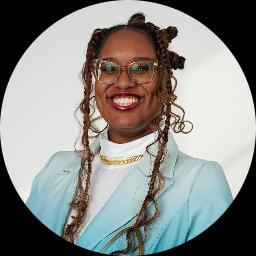
About Bobbie
Bobbie Briggs is a Licensed Marriage & Family Therapist (LMFT) based in Wisconsin. She has three years of clinical experience helping people navigate stress, anxiety, trauma and abuse, self-esteem struggles, depression, and life transitions. Her work focuses on practical steps people can use right away to feel steadier and more in control.
Bobbie frames therapy as a collaborative process. She listens for each person's story and looks for patterns that keep them stuck.
Background and approach
Sessions often include talking through difficult memories, practicing new ways of thinking, and trying small, manageable changes between meetings. She uses approaches like cognitive behavioral therapy and trauma-focused methods to address symptoms and daily challenges. Eye Movement Desensitization and Reprocessing, or EMDR, is one tool she may integrate when working through traumatic memories.
Narrative therapy helps clients reframe their life stories and separate identity from painful experiences. Bobbie also attends to cultural context and the ways identity shows up in relationships and coping. She helps people who are dealing with guilt, shame, abandonment worries, or difficulty with communication to find clearer paths forward.
Seasonal mood shifts, social anxiety, and questions about life purpose are included among her areas of focus. Her approach aims to be empowering and grounded. She encourages clients to try concrete skills, reflect on progress, and reclaim a sense of agency over their story.
Approaches for trauma, anxiety, and rebuilding your story
Bobbie commonly uses cognitive behavioral therapy to help people notice and test unhelpful thoughts and behaviors. CBT breaks problems into small parts and teaches practical tools to reduce anxiety, lift mood, and improve day-to-day coping.She also incorporates EMDR, Eye Movement Desensitization and Reprocessing, for processing distressing memories and reducing their emotional intensity. EMDR is used when past events continue to trigger strong reactions and get in the way of daily life. Narrative therapy is used to separate a person from their problems and rewrite how difficult experiences are understood in their life story.
Choosing an approach is a shared decision. The therapist will work with the client to match goals, symptoms, and preferences to an approach or combination of methods. That collaboration helps shape what happens session to session and what skills are practiced between meetings.
Online therapy offers flexible options like video calls, phone sessions, live chat, and text-based messaging. Video calls allow fuller conversations and visual cues, phone sessions work well when bandwidth is limited, live chat can be a quicker check-in, and messaging supports ongoing reflection between meetings. These formats make it easier to fit therapy into busy schedules and to keep continuity over time.
Questions people ask
What kinds of concerns does Bobbie address?
How would you describe her therapeutic style?
What is her professional background?
Where is she licensed and based?
Which languages are supported for sessions?
What session formats does she use?
How does payment and cost work?
How do I begin working with her?
What this therapist works with
Also listed
Therapeutic approaches
- Experience
- 3 years
- Licensed
- Wisconsin
- Languages
- English
We will earn a commission if you sign up through our link, at no cost to you.