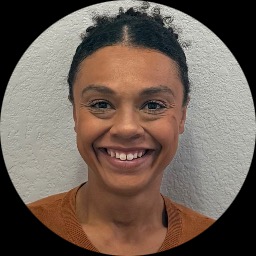
About Bevin
Bevin Williams is an LCSW based in Texas with five years of clinical experience. She focuses on helping people who are feeling overwhelmed by anxiety, stress, depression, or the effects of past trauma. Her goal is to help people reconnect with their sense of self-worth and find practical ways to cope.
She centers sessions on compassion and straightforward talk. Bevin prefers clear, practical steps alongside emotional processing. She helps people name what feels hard, try small changes, and notice what helps them feel steadier.
Background and approach
Her work emphasizes attachment and the ways early relationships shape current feelings. She often addresses abandonment fears, communication problems, and struggles with control or dependency. Bevin also supports people dealing with body image concerns, guilt and shame, impulsivity, and loneliness.
In the room she pays attention to both strong emotions and everyday functioning. That can mean working through intense memories, learning grounding skills for dissociation, or building routines to manage mood swings. She draws on evidence-based techniques to tailor practical tools to each person’s needs.
Bevin invites people to bring what’s most urgent. She aims to create a calm, respectful space where someone can be honest about setbacks and plan gradual change. Sessions are collaborative, focused on real-life progress and clearer coping strategies.
Approaches that translate well to online therapy
Bevin uses evidence-based techniques that fit well into remote sessions. One common approach focuses on grounding and stabilization skills to manage anxiety and dissociation; these are concrete breathing, grounding, and sensory strategies people can practice during video or phone calls. Another approach addresses attachment and relational patterns by helping people notice how past relationships influence current reactions and communication; this work uses reflective questions and role practice to try new responses.Finding the right approach is part of the work together. Bevin will talk with each person about goals, preferences, and how symptoms show up, then suggest methods to try. That collaborative process makes it easier to adjust techniques if something isn’t helping.
Online sessions offer practical flexibility. Video calls let the therapist observe nonverbal cues and guide in-the-moment exercises. Phone sessions are useful when bandwidth is limited or when someone prefers not to be on camera. Live chat and text-based messaging can support brief check-ins, skill reminders, or ongoing reflection between full sessions. These options make it easier to fit therapy into busy days and different routines.
Questions people ask
What concerns does Bevin commonly address?
What is her general therapeutic style?
How much clinical experience does she have?
What credentials and location are listed for this therapist?
Which languages and international options are available?
What session formats does she offer?
How are fees and payment handled?
How do I begin the process?
What this therapist works with
Also listed
- Abandonment
- Attachment issues
- Body image
- Communication problems
- Control issues
- Coping with life changes
- Dependent personality
- Depression
- Disruptive Mood Dysregulation Disorder (DMDD)
- Dissociation
- Divorce and separation
- Domestic violence
- Forgiveness
- Guilt and shame
- Impulsivity
- Isolation / loneliness
- Life purpose
- Mood disorders
- Multicultural concerns
- Panic disorder and panic attacks
- Paranoia
- Personality disorders
- Post-traumatic stress
- Prejudice and discrimination
- Seasonal Affective Disorder (SAD)
- Self-harm
- Self-love
- Sexual assault and abuse
- Young adult issues
- Experience
- 5 years
- Licensed
- Texas
- Languages
- English
We will earn a commission if you sign up through our link, at no cost to you.