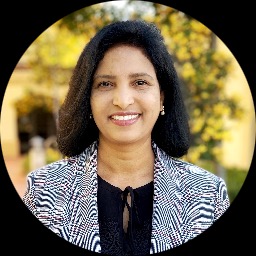
About Aruna
Aruna Prabha Boyineni is a licensed marriage and family therapist who centers her practice on calm, practical care. She focuses on stress and anxiety, trauma and abuse, grief, self‑esteem, and adjusting to life changes. She speaks English and offers sessions to people in California.
With seven years of clinical experience, Aruna aims to make sessions straightforward and approachable. She creates space for people to talk about their thoughts and feelings without judgment.
Background and approach
Sessions often focus on small, doable steps to reduce overwhelm and rebuild confidence. Aruna draws on evidence-based therapeutic techniques to address problems like panic, persistent worry, trauma reactions, complicated grief, and low self-worth. She often helps clients identify triggers, practice coping skills, and test new ways of relating to themselves and others.
Progress tends to come from steady practice rather than quick fixes. She also pays attention to issues that commonly follow major life shifts, such as relationship breakups, immigration stress, aging concerns, and changes in roles. Aruna is familiar with cultural pressures many first-generation South Asian people face and integrates that awareness into sessions when it’s relevant.
People meet with her via video, phone, live chat, or text‑based messaging. Starting involves a short matching questionnaire and scheduling according to therapist availability. This gives room to find a format and pace that fit everyday life.
How evidence-based approaches translate to online care
Aruna uses evidence-based therapeutic techniques that focus on practical skills and clear goals. One common approach she uses teaches breathing and grounding exercises, thought labeling, and gradual exposure to reduce anxiety and panic. These techniques help people gain control over intense reactions and feel less overwhelmed.Another approach emphasizes processing trauma and painful memories in a measured way, with attention to pacing and safety. This helps people reduce the hold of past events and build more stable coping skills. These methods are well suited for work on grief, attachment wounds, and shame.
Finding the right approach is a collaborative process. The therapist will talk with each person about their goals, daily routines, and comfort with different exercises. Together they decide what to try first and adjust the plan as progress and needs change.
Online therapy offers practical flexibility through video calls, phone sessions, live chat, and text‑based messaging. Video sessions allow face‑to‑face conversation and skill demonstrations. Phone sessions work well when bandwidth is limited or a person prefers not to be on camera. Live chat and text help with brief check-ins, homework support, or more frequent communication between longer sessions. These options make it easier to fit therapy into busy schedules and to practice skills in real life.
Questions people ask
What kinds of concerns does this therapist help with?
What is her general therapy style?
How long has she practiced?
Where is this therapist licensed and based?
Which languages are offered for sessions?
Can people outside the United States work with her?
What session formats are available?
How does cost and starting therapy work?
What this therapist works with
Most often
Also listed
- Abandonment
- Aging and geriatric issues
- Attachment issues
- Body image
- Commitment issues
- Communication problems
- Control issues
- Coping with life changes
- Divorce and separation
- Domestic violence
- Emptiness
- Family problems
- Forgiveness
- Guilt and shame
- Hoarding
- Immigration issues
- Isolation / loneliness
- Life purpose
- Midlife crisis
- Mood disorders
- Multicultural concerns
- Post-traumatic stress
- Postpartum depression
- Self esteem
- Self-harm
- Self-love
- Social anxiety and phobia
- Somatization
- Young adult issues
- Experience
- 7 years
- Licensed
- California
- Languages
- English
We will earn a commission if you sign up through our link, at no cost to you.