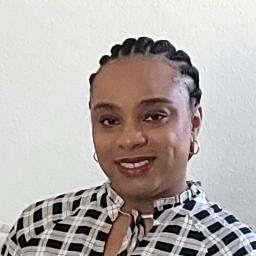
About Artrevisa
Artrevisa Payton is a licensed clinical social worker with ten years of experience helping people manage stress and anxiety. She practices in Texas and brings a calm, conversational approach to sessions. Her work focuses on practical steps people can use right away.
She often uses simple, goal-focused methods to address depression, low self-esteem, grief, and major life changes. Sessions aim to reduce overwhelm and help people move toward clearer priorities.
Background and approach
She listens first, then helps clients try small changes that can make daily life easier. Payton has experience in long-term care and outpatient settings, including work with aging and geriatric concerns and hospice or end-of-life counseling. That background informs how she talks about loss, medical stress, and caregiving strain.
She uses clear, direct language and straightforward strategies in those conversations. Her typical tools include client-centered conversations, cognitive behavioral techniques, mindfulness practices, motivational interviewing, and solution-focused steps. Those tools are used to address relationship and family problems, communication issues, career questions, and feelings of isolation or compassion fatigue.
People who prefer a relaxed, conversational therapist may find her style approachable. She aims to validate present feelings while offering concrete options to try. The focus is on what the person wants to change and on practical steps to get there.
Approaches and online options for anxiety and stress
Artrevisa Payton uses practical, evidence-informed methods adapted for online work. Client-centered therapy focuses on listening and following the person's goals; it helps when someone needs a supportive space to sort feelings and decide what matters most. Cognitive behavioral therapy helps identify unhelpful thoughts and test small behavior changes to reduce anxiety and depressive moods.Finding the right approach is part of the process. She collaborates with each person to choose techniques that match their needs and preferences. Sessions begin with listening, then together they try approaches and adjust based on what helps the client reach clear, manageable goals.
Online sessions can fit a busy life. Video calls allow face-to-face conversation and visual cues. Phone sessions work well when bandwidth is low or when someone prefers not to be on camera. Live chat and text-based messaging offer brief check-ins, homework support, or quick strategy coaching between calls. These options make it easier to keep momentum and practice new skills in day-to-day situations.
Questions people ask
What concerns does she help with?
How does she approach therapy?
What is her background and experience?
What credentials and location does she hold?
Which languages are supported?
What session formats are available?
How are sessions billed?
How do I begin working with her?
What this therapist works with
Most often
Also listed
- Aging and geriatric issues
- Career difficulties
- Communication problems
- Compassion fatigue
- Coping with life changes
- Family conflicts
- Family problems
- Forgiveness
- Grief
- Hospice and end-of-life counseling
- Isolation / loneliness
- Life purpose
- Relationship issues
Therapeutic approaches
- Experience
- 10 years
- Licensed
- Texas, Alabama
- Languages
- English
We will earn a commission if you sign up through our link, at no cost to you.