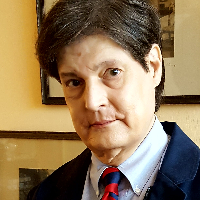
About Arthur
Dr. Arthur Betancourt is a clinical psychologist based in Florida with three decades of experience. He uses clear, practical methods to help people who are dealing with stress and anxiety.
He focuses on the thoughts and behaviors that keep problems going and works with clients to develop better ways of coping. Before independent practice he spent many years on the faculty at the University of Miami Miller School of Medicine.
Background and approach
That work exposed him to a wide range of mental health concerns including depression, grief, and chronic stress. He brings that long clinical experience into today’s sessions. In the therapy room he helps people notice the connections between their thinking, actions, and feelings.
Then he guides them toward small changes that can reduce symptoms and improve daily functioning. Sessions tend to be straightforward and goal-oriented, with practical strategies people can try between meetings. Dr.
Betancourt also addresses relationship and family strain, sleep and eating difficulties, career stress, and life transitions. He has experience with aging and geriatric issues, caregiver stress, end-of-life counseling, and medical-related concerns such as cancer. Clients often work on rebuilding routines and managing strong emotions.
He is licensed as a Florida Psychologist - FL Psychologist PY5072 - and conducts work in English. People interested in getting started complete a brief matching questionnaire and schedule sessions according to availability.
CBT and Online Care for Stress and Anxiety
Dr. Betancourt uses Cognitive Behavioral Therapy (CBT) as a central approach. CBT involves looking closely at how thoughts and behaviors influence emotions. It helps people learn new habits and practical skills to reduce anxiety, improve mood, and manage stress.Finding the right approach is part of the work together. He will collaborate with each person to decide whether CBT and specific techniques match their needs and goals. That conversation shapes what happens in sessions and which tools are tried between meetings.
Online formats include video calls, phone sessions, live chat, and text-based messaging. Video calls allow face-to-face interaction and visual cues. Phone sessions can be easier when bandwidth is limited or for a quick check-in. Live chat and text messaging are useful for brief updates, homework questions, or when writing feels more comfortable. These options make scheduling more flexible and let people fit therapy into busy lives.
Questions people ask
What kinds of problems does this therapist help with?
What is his therapeutic style and approach?
How much clinical experience does he have?
What credentials and location are listed for this therapist?
In what language are sessions offered and can international clients join?
Which session formats are available?
How is cost handled for sessions?
What are the steps to begin therapy?
What this therapist works with
Most often
- Stress, Anxiety
- Relationship issues
- Self esteem
Also listed
- Aging and geriatric issues
- Anger management
- Avoidant personality
- Bipolar disorder
- Cancer
- Career difficulties
- Caregiver issues and stress
- Commitment issues
- Communication problems
- Control issues
- Coping with life changes
- Coping with natural or human-caused disaster
- Dependent personality
- Depression
- Divorce and separation
- Eating disorders
- Family conflicts
- Family problems
- Grief
- Hospice and end-of-life counseling
- Isolation / loneliness
- Life purpose
- Money and financial issues
- Mood disorders
- Obsessions, compulsions, and OCD
- Panic disorder and panic attacks
- Parenting issues
- Personality disorders
- Sleeping disorders
- Workplace issues
Therapeutic approaches
- Experience
- 30 years
- Licensed
- Florida
- Languages
- English
We will earn a commission if you sign up through our link, at no cost to you.