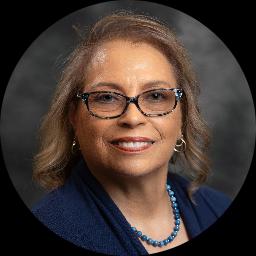
About Angela
Dr. Angela Reeves is a Licensed Professional Counselor (LPC) based in Michigan with 28 years of experience. She focuses on stress and anxiety alongside a wide range of concerns such as depression, trauma and abuse, addictions, and self-esteem.
Her approach is straightforward and respectful, aiming to help people take practical steps toward feeling better. She combines Client-Centered Therapy with cognitive and skills-based methods to meet each person's needs. That means conversations begin where the person is and then move toward small, doable changes.
Background and approach
Sessions often include problem-solving, behavior strategies, and tools to manage overwhelming feelings. Dr. Reeves has worked in community college counseling and personal clinic settings, and she has experience guiding newer counselors toward full licensure.
This background means she is used to helping people at different stages of life and career, and she adapts her style to the person's situation. Her style is warm, interactive, and focused on ability and possibility. She avoids stigmatizing labels and works to include clients in planning goals and tracking progress.
People can expect clear conversation, practical exercises, and regular check-ins about what is and isn’t working. She also supports concerns around relationships, parenting, grief, career transitions, and issues tied to identity and culture. Dr.
Reeves accepts international clients and offers a mix of session formats to fit varied schedules and needs.
Approaches that translate well to online care
Client-Centered Therapy emphasizes listening and collaboration. The therapist focuses on understanding each person's perspective and helping them set goals that feel achievable. Cognitive Behavioral Therapy (CBT) looks at thoughts and behaviors that keep problems going and teaches concrete tools to change them. Dialectical Behavior Therapy (DBT) adds skills for handling intense emotions and improving interpersonal effectiveness, which can be helpful for strong anxiety or mood swings.Choosing the right approach is part of the work together. The therapist will talk with the person about goals, preferences, and what has or hasn’t helped before. From there she will suggest methods and adjust plans as progress is tracked, so treatment feels like a collaboration rather than a fixed program.
Online therapy offers practical options: video calls for full conversation and visual cues, phone sessions when bandwidth is limited, live chat for shorter check-ins, and text-based messaging for ongoing support between sessions. These formats make it easier to fit therapy into busy schedules, handle coaching-style check-ins, and practice skills in real time. Licensed professionals can use these tools to deliver the same structured techniques and supportive dialogue found in in-person care.
Questions people ask
What concerns does this therapist commonly help with?
How would you describe the therapeutic style used?
What kind of experience does she bring to sessions?
What credentials and location are listed for the therapist?
Which languages are supported for sessions?
What session formats are available?
How are costs handled for sessions?
What are the steps to begin working with this therapist?
What this therapist works with
Also listed
- Addictions
- ADHD
- Bipolar disorder
- Blended family issues
- Career difficulties
- Coaching
- Communication problems
- Compassion fatigue
- Coping with life changes
- Depression
- Eating disorders
- Family conflicts
- First responder issues
- Grief
- Guilt and shame
- Hearing impaired
- Intimacy-related issues
- Midlife crisis
- Multicultural concerns
- Parenting issues
- Post-traumatic stress
- Prejudice and discrimination
- Relationship issues
- Young adult issues
Therapeutic approaches
- Experience
- 28 years
- Licensed
- Michigan
- Languages
- English
We will earn a commission if you sign up through our link, at no cost to you.