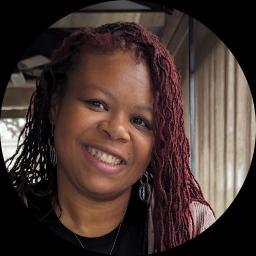
About Anesha
Anesha Williams is a licensed marriage and family therapist who helps people manage stress and anxiety. She focuses on relationship and family concerns, self-esteem, parenting struggles, and major life changes. Her approach is practical and down-to-earth, with simple steps you can try between sessions.
She draws on 15 years of experience working with a wide range of relationship and personal issues. Sessions center on talking through what feels most pressing and creating clear, manageable goals.
Background and approach
Anesha adapts conversations to fit each person's situation rather than using one-size-fits-all methods. Common topics she addresses include communication problems, blended family concerns, caregiver stress, and challenges around commitment or trust. She also helps with anger, career stress, body image, and recovery from substance use issues.
Work often focuses on patterns that come from family of origin or attachment wounds. Anesha emphasizes respect, sensitivity, and compassion in sessions. She helps people build coping skills, strengthen relationships, and make thoughtful changes that fit their lives.
Progress is practical and paced to the person’s needs. To begin, she asks clients to outline current concerns and goals. From there she and the client shape a plan with clear next steps and short-term strategies to try between appointments.
Approaches that guide online sessions
Anesha uses evidence-based therapeutic techniques that focus on problems and practical change. One approach centers on building coping skills and behavioral steps to reduce anxiety and manage stress; sessions teach simple strategies to try between meetings and review what helps. Another approach targets relationship and attachment patterns by identifying recurring interaction cycles and practicing clearer communication to improve connection and reduce conflict.Finding the right mix of approaches is part of the process. She works together with each person to identify goals and preferences, then adjusts methods as progress and needs evolve. That collaborative process helps ensure the work matches what the client wants to address.
Online formats include video calls, phone sessions, live chat, and text-based messaging. Video is useful for face-to-face conversation and body language cues, phone sessions work well when bandwidth is limited, live chat allows quick check-ins, and messaging supports ongoing reflection between appointments. These options make it easier to fit therapy into a busy life and to keep momentum between sessions.
Questions people ask
What concerns does she commonly help with?
What is her style in therapy?
How much experience does she have?
What credential and location should I know?
Can sessions be held in languages other than English?
What session formats are available?
How are sessions billed and what do they cost?
How do I begin working with her?
What this therapist works with
Most often
- Stress, Anxiety
- Relationship issues
- Family conflicts
Also listed
- Abandonment
- Anger management
- Attachment issues
- Blended family issues
- Body image
- Career difficulties
- Caregiver issues and stress
- Codependency
- Commitment issues
- Communication problems
- Control issues
- Coping with life changes
- Divorce and separation
- Domestic violence
- Drug and alcohol addiction
- Family of origin issues
- Family problems
- Forgiveness
- Guilt and shame
- Impulsivity
- Infidelity
- Isolation / loneliness
- Life purpose
- Midlife crisis
- Mood disorders
- Parenting issues
- Postpartum depression
- Pregnancy and childbirth
- Self esteem
- Self-love
- Social anxiety and phobia
- Women's issues
- Workplace issues
- Young adult issues
- Experience
- 15 years
- Licensed
- Florida
- Languages
- English
We will earn a commission if you sign up through our link, at no cost to you.