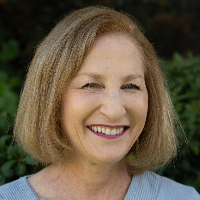
About Amy
Amy Klein Duane is a Licensed Clinical Social Worker with three decades of experience helping people manage anxiety and stress. She speaks plainly and listens carefully to understand what is most troubling. Her work often focuses on grief, life changes, caregiver strain, and challenges like depression, bipolar disorder, and ADHD.
She has a long history working with developmental and aging concerns. That background informs how she talks about parenting, social anxiety, selective mutism, and independence for older adults.
Background and approach
She also has experience supporting people facing hospice, end-of-life, and bereavement issues. Amy blends straightforward coping tools with deeper exploration of patterns that cause struggle. She often uses cognitive behavioral methods to teach skills and short-term psychodynamic ideas to look at where problems started.
The approach is adapted to each person and their goals. Sessions are aimed at building practical strategies and drawing on a person's strengths. She describes herself as supportive, observant, and compassionate, and focuses on clear steps people can try between meetings.
This makes therapy useful for both immediate relief and longer term work. Amy practices in Arizona and holds LCSW credentials for both Arizona and California. Her years in day treatment programs and grief work give her experience with chronic mental health concerns and bereavement care.
People who choose her often want a mix of skill-building and thoughtful conversation. She works to match methods to each person's needs, whether that means short-term problem solving or a longer, reflective process.
Approaches and online care that fit your life
Amy commonly blends cognitive behavioral therapy and client-centered work to help people manage symptoms and build practical skills. CBT focuses on identifying unhelpful thoughts and testing new behaviors to reduce anxiety and improve mood. Client-centered therapy emphasizes a respectful, listening stance so people feel heard and can find their own solutions.She also uses short-term psychodynamic ideas when it helps to understand recurring patterns and the roots of relationship or emotional problems. Finding the right mix is a collaborative process - the therapist and client decide together which methods match the client's goals and how quickly to try skill-based strategies versus deeper exploration.
Online sessions include video calls, phone sessions, live chat, and text-based messaging, which makes it easier to fit therapy into a busy life. Video is close to an in-person visit while phone calls can work when bandwidth is limited. Live chat and text are useful for brief check-ins, quick coping reminders, or when typing feels easier than speaking. These options support flexible scheduling and ongoing access to a therapist's guidance without needing to travel.
Questions people ask
What kinds of problems does she help with?
How would you describe her therapy style?
What experience does she bring to sessions?
Where is she based and what are her credentials?
Can I work with her in a language other than English?
What session formats are available online?
How are costs handled for sessions?
What steps do I take to begin therapy?
What this therapist works with
Also listed
- ADHD
- Aging and geriatric issues
- Bipolar disorder
- Caregiver issues and stress
- Codependency
- Compassion fatigue
- Dependent personality
- Depression
- Family conflicts
- Hospice and end-of-life counseling
- Parenting issues
- Relationship issues
- Seasonal Affective Disorder (SAD)
- Self esteem
- Social anxiety and phobia
- Trauma and abuse
- Women's issues
Therapeutic approaches
- Experience
- 30 years
- Licensed
- California, Arizona
- Languages
- English
We will earn a commission if you sign up through our link, at no cost to you.