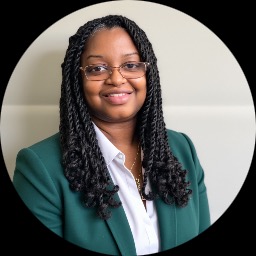
About Amalia
Amalia Jones is a licensed clinical social worker who helps people manage anxiety, stress, depression, and relationship concerns. She works with individuals facing trauma, low self-esteem, identity questions, and life transitions. Her tone is grounded and direct, aimed at people who want practical support and clearer next steps.
She draws on 11 years of clinical experience across Tennessee and Oregon and uses straightforward tools to reduce overwhelming thoughts and improve daily functioning.
Background and approach
Sessions focus on problem solving, changing unhelpful thinking, and building habits that make everyday life easier. Amalia emphasizes cultural sensitivity and respects each person’s background and values. In the therapy room she creates a welcoming space where people can talk about painful experiences without judgment.
She helps clients name patterns that keep them stuck and tries out concrete techniques to change them. Work may include skill practice, thought tracking, and planning small behavior changes between sessions. Clients who come for relationship or intimacy concerns work on communication, boundary setting, and rebuilding trust at a pace that fits them.
For career or life-purpose worries she helps clarify values and set achievable goals. Caregiver stress, compassion fatigue, and aging-related concerns are approached with practical coping strategies and pacing. Amalia holds the LCSW credential, practices in Tennessee, and provides sessions in English.
She uses a collaborative style focused on realistic steps and steady progress.
How CBT and online sessions can help with anxiety
CBT, or Cognitive Behavioral Therapy, focuses on identifying and changing thinking patterns that feed anxiety and stress. It uses practical exercises like tracking thoughts, testing unhelpful beliefs, and trying small behavioral changes to reduce symptoms and improve daily functioning. This approach is often used for anxiety, depression, and stress-related concerns.Amalia takes a collaborative approach to choosing methods. She will work with each person to decide whether CBT techniques, skill-building, or another strategy fits their goals and preferences. Finding the right mix is part of the work together rather than a one-size-fits-all prescription.
Online formats include video calls, phone sessions, live chat, and text-based messaging. Video calls allow face-to-face conversation for skills coaching and deeper work. Phone sessions can be easier when bandwidth is limited or a shorter check-in is needed. Live chat and text messaging make brief check-ins, homework reviews, and ongoing support more convenient between appointments. These options make it easier to fit therapy into a busy life and to keep momentum between sessions.
Questions people ask
What kinds of concerns does this therapist address?
How would you describe the therapeutic style?
What is her clinical background?
What credentials and where is she based?
Which languages are supported for sessions?
What session formats are available?
How are fees and payment handled?
How do I begin working with this therapist?
What this therapist works with
Most often
- Stress, Anxiety
- Relationship issues
- Trauma and abuse
Also listed
- Aging and geriatric issues
- BDSM, kink, and alternative sex culture
- Career difficulties
- Caregiver issues and stress
- Coaching
- Commitment issues
- Compassion fatigue
- Coping with life changes
- Dependent personality
- Depression
- Disruptive Mood Dysregulation Disorder (DMDD)
- Dissociation
- Family conflicts
- Family problems
- Guilt and shame
- Infidelity
- Intimacy-related issues
- Jealousy
- LGBT
- Life purpose
- Midlife crisis
- Money and financial issues
- Multicultural concerns
- Prejudice and discrimination
- Self esteem
- Self-love
- Sexuality
- Social anxiety and phobia
- Women's issues
- Young adult issues
Therapeutic approaches
- Experience
- 11 years
- Licensed
- Tennessee, Oregon, Washington
- Languages
- English
We will earn a commission if you sign up through our link, at no cost to you.