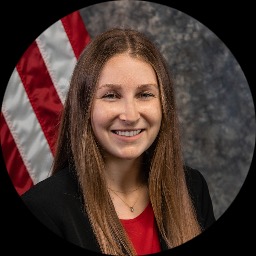
About Alexandria
Alexandria Thomas is a licensed professional mental health counselor (LPC-MHSP) based in Tennessee who focuses on practical support for stress, anxiety, addictions, and low self-esteem. She works with people facing depression and panic attacks and offers straightforward care for those feeling stuck or overwhelmed. She frames therapy as a collaborative process.
Sessions concentrate on understanding current patterns, reducing symptoms like panic or compulsive urges, and building everyday coping skills that fit a person's life.
Background and approach
The tone is direct and compassionate, aimed at helping people take manageable steps forward. Alexandria has three years of clinical experience supporting clients through substance use concerns, mood difficulties, and relationship-related struggles. She also addresses issues such as attachment challenges, codependency, and guilt or shame that can keep people from moving ahead.
Her background includes work with veterans and first responders, and she is familiar with the kinds of stress those roles can create. She frames recovery from drug and alcohol problems alongside work on life purpose, financial stress, and impulsivity when those areas are relevant. In sessions she focuses on practical strategies you can use between appointments.
The goal is clearer thinking, steadier mood, and better day-to-day functioning. People who prefer direct, skills-focused support may find her approach helpful.
Evidence-based approaches for online anxiety and addiction care
Many common therapeutic techniques focus on practical skills you can use right away. Cognitive approaches help identify unhelpful thoughts and teach ways to test and change them, which can ease anxiety and panic symptoms. Behavioral strategies focus on changing patterns of avoidance or compulsive behaviors through small, manageable exposures and new routines.When substance use or impulsivity is a concern, therapy often blends relapse-prevention planning with skills for managing urges and building healthier daily habits. These methods emphasize concrete steps like urge surfing, planning for high-risk situations, and strengthening routines that support recovery and mood stability.
Picking the right approach is a team effort. The therapist will talk through your goals, preferences, and what has or hasn’t worked before, then try methods that fit your needs. Progress is reviewed regularly and methods are adjusted when needed, so the plan stays practical and relevant.
Online therapy offers flexibility for people with busy schedules or limited local options. Video calls let you work face to face when that matters. Phone sessions are useful when bandwidth is limited or when you prefer not to use video. Live chat and text-based messaging provide quick check-ins, brief coaching, or support between sessions. These options can make regular care easier to keep up with and help therapy fit into everyday life.
Questions people ask
What concerns does she address?
What is her therapy style like?
How much clinical experience does she have?
Where is she licensed and based?
Which languages are supported?
What session formats are available?
How is cost handled?
How do I begin therapy with her?
What this therapist works with
Most often
Also listed
- Attachment issues
- Codependency
- Commitment issues
- Depression
- Drug and alcohol addiction
- Emptiness
- Family problems
- First responder issues
- Guilt and shame
- Impulsivity
- Life purpose
- Money and financial issues
- Mood disorders
- Obsessions, compulsions, and OCD
- Panic disorder and panic attacks
- Paranoia
- Post-traumatic stress
- Prejudice and discrimination
- Sexual assault and abuse
- Smoking / vaping cessation
- Social anxiety and phobia
- Veteran and Armed Forces Issues
- Women's issues
- Workplace issues
- Experience
- 3 years
- Licensed
- Tennessee
- Languages
- English
We will earn a commission if you sign up through our link, at no cost to you.