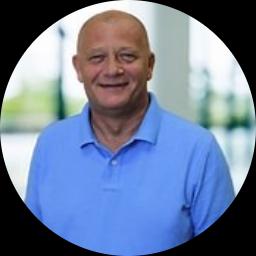
About Alan
Alan Crandall is a licensed mental health counselor (LMHC) based in Florida who helps people facing anxiety, stress, depression, trauma, and big life changes. He offers straightforward support for mood struggles and intense emotions. His approach is practical and focused on what matters to each person.
He draws on several therapy methods to tailor sessions to individual needs. Sessions focus on improving communication, building self-esteem, and managing feelings like guilt, shame, anger, and isolation.
Background and approach
He also addresses relationship strain, parenting stress, and challenges tied to attention differences and mood disorders. Alan emphasizes a calm, respectful atmosphere where clients set the pace. He works to help people notice patterns, practice new coping skills, and try small changes between sessions.
Progress often comes from clear steps and steady practice rather than quick fixes. With 11 years of experience, he combines listening with structured techniques when they fit the client's goals. That mix can help people cope with panic attacks, post-traumatic stress reactions, impulsivity, and problems tied to personal loss or betrayal.
People who choose Alan can expect practical tools and a focus on moving toward better daily functioning. He supports work on intimacy issues, grief, and communication problems while helping clients build long-term resilience.
Therapeutic approaches and online options
Alan often integrates Client-Centered Therapy and Cognitive Behavioral Therapy (CBT) in online sessions. Client-Centered Therapy centers on listening and following the client’s lead to build trust and self-direction, which helps when someone feels stuck or uncertain. CBT focuses on identifying unhelpful thoughts and trying small behavioral experiments to reduce anxiety and improve mood.He also uses Dialectical Behavior Therapy (DBT) skills when emotional regulation and intense reactions are central concerns. DBT teaches concrete skills for managing strong feelings, tolerating distress, and improving interpersonal effectiveness, which can help with impulsivity and anger.
Choosing the right approach is a collaborative process. The therapist will talk with the client about goals and preferences, try techniques, and adjust methods based on what helps most. That flexibility aims to match the work to each person’s needs.
Online therapy makes these approaches accessible through video calls, phone sessions, live chat, or text-based messaging. Video sessions allow face-to-face work and skills practice, phone sessions can fit shorter times or lower bandwidth, live chat supports brief check-ins, and messaging lets people share thoughts between meetings. These options offer flexibility to fit therapy into a busy life while keeping the focus on practical progress.
Questions people ask
What concerns does Alan commonly address?
What is his general therapy style?
How much clinical experience does he have?
What credential does he hold and where is he based?
Which languages are sessions offered in?
What session formats are available online?
How does pricing work for sessions?
How do I begin working with him?
What this therapist works with
Most often
- Stress, Anxiety
- Trauma and abuse
- Bipolar disorder
Also listed
- ADHD
- Anger management
- Communication problems
- Coping with life changes
- Depression
- Disruptive Mood Dysregulation Disorder (DMDD)
- Family conflicts
- Family problems
- Forgiveness
- Grief
- Guilt and shame
- Impulsivity
- Infidelity
- Intimacy-related issues
- Isolation / loneliness
- Jealousy
- Men's issues
- Mood disorders
- Panic disorder and panic attacks
- Parenting issues
- Personality disorders
- Post-traumatic stress
- Relationship issues
- Self esteem
- Self-harm
- Self-love
- Social anxiety and phobia
- Workplace issues
- Young adult issues
Therapeutic approaches
- Experience
- 11 years
- Licensed
- Florida
- Languages
- English
We will earn a commission if you sign up through our link, at no cost to you.