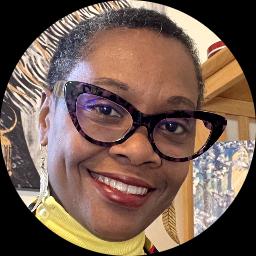
About Akinlana
Akinlana Burrowes is a Licensed Mental Health Counselor who helps people facing stress, anxiety, depression, trauma, and compassion fatigue. She frames therapy around what each person needs and creates space for clear, practical work. Her style is approachable and direct, aimed at making everyday life feel more manageable.
Burrowes combines talking therapy with expressive arts and body-based methods. That can mean using music, movement, visual art, or poetry alongside traditional talk sessions.
Background and approach
She also uses tools from EMDR, mindfulness, cognitive behavioral approaches, and dialectical skills when they fit a person's goals. Her background includes cross-cultural work both in the United States and overseas. That experience informs her attention to multicultural concerns, prejudice and discrimination, and the ways systems of oppression affect mental health.
She pays attention to how identity and culture shape a person’s experience of anxiety and trauma. Sessions focus on practical steps people can try between meetings. Burrowes helps clients practice grounding, emotion regulation, and coping strategies for panic, social anxiety, and workplace stress.
She supports people dealing with life changes, grief, relationship strains, and questions about purpose and money. She holds a Master of Arts and is licensed as an LMHC and as an LCMHC in North Carolina. Burrowes offers several online formats so people can choose what fits their schedule and needs.
Her work centers on partnership - clients set the pace and priorities.
How talk, skills, and creative work translate online
Akinlana uses Client-Centered Therapy to focus sessions around each person's needs and priorities, helping clients feel heard and steering conversations toward practical goals. Cognitive Behavioral Therapy (CBT) is used to identify unhelpful thoughts and try small behavioral experiments that reduce anxiety and improve mood. Eye Movement Desensitization and Reprocessing (EMDR) is offered as an option for processing trauma memories using guided protocols alongside talk work.Finding the right mix of approaches is part of the process. The therapist will collaborate with each person to decide whether more creative methods, skills training, or trauma-processing work fits their goals. This shared planning helps tailor sessions to what feels most useful and tolerable for the client.
Online therapy is offered via video calls, phone sessions, live chat, or text-based messaging to provide flexibility. Video sessions allow for face-to-face connection and guided exercises. Phone sessions work well when bandwidth or camera use is difficult. Live chat and text messaging are convenient for brief check-ins, skill practice, or continuing work between full sessions. These options make it easier to fit therapy into a workday, travel schedule, or other commitments while keeping focus on practical coping and progress.
Questions people ask
What concerns does this therapist help with?
What is the therapeutic style during sessions?
How much clinical experience does she have?
What credentials and location are listed for this therapist?
Which languages are offered and are international clients accepted?
What session formats are available?
How is cost handled for sessions?
What are the steps to begin therapy?
What this therapist works with
Also listed
- Anger management
- Communication problems
- Compassion fatigue
- Coping with life changes
- Depression
- Dissociation
- Guilt and shame
- Infidelity
- Life purpose
- Money and financial issues
- Multicultural concerns
- Panic disorder and panic attacks
- Post-traumatic stress
- Prejudice and discrimination
- Seasonal Affective Disorder (SAD)
- Self-love
- Social anxiety and phobia
- Women's issues
- Workplace issues
- Young adult issues
Therapeutic approaches
- Experience
- 7 years
- Licensed
- Massachusetts, North Carolina
- Languages
- English
We will earn a commission if you sign up through our link, at no cost to you.