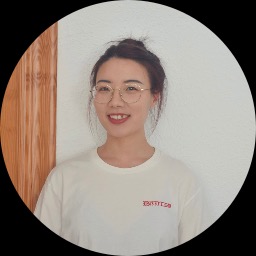
About Yang
Yang Peng offers straightforward support for people feeling overwhelmed by anxiety, stress or life changes. She uses simple conversation and steady listening to help clients talk through what matters most. Sessions are available in English and Mandarin.
Yang trained at the University of Nottingham, where she completed a Master’s degree in Person-Centred Experiential Counselling and Psychotherapy Practice. She is BACP accredited and has worked in UK mental health services since 2015, including helplines, hospice volunteering and counselling organisations.
Background and approach
In sessions she focuses on understanding each person's experience before suggesting ways forward. That might include exploring unhelpful patterns, working on self-esteem, or looking at relationship or intimacy concerns. She also supports people facing bereavement, grief and end-of-life issues.
Yang has experience with trauma-related difficulties and uses eye movement desensitisation and reprocessing as one option when trauma memories are part of the picture. She also uses client-centred work to help people feel heard and accepted while they decide what change they want. Practical matters are kept simple.
Therapy can address sleep or eating problems, anger, bipolar mood challenges, compassion fatigue and social anxiety. People living outside the UK can also work with her, and she offers a range of online session types to fit different needs.
How Yang uses person-centred work and EMDR online
Yang uses person-centred therapy to create a calm space where clients feel heard and respected. This approach focuses on exploring feelings, building self-understanding and helping people decide on changes they want to make, which can suit anxiety, low self-worth and relationship concerns.She also offers eye movement desensitisation and reprocessing, a technique used when past distressing memories are affecting day-to-day life. EMDR aims to reduce the intensity of upsetting memories so they feel less intrusive and can help with trauma-related symptoms.
Finding the best approach is part of the work. The therapist will talk with each person about their goals and preferences and will suggest options that fit the issue and the person. This is a collaborative process and plans can change as progress is made.
Online therapy gives practical flexibility. Video calls allow a face-to-face conversation without travel. Phone sessions work well for people with limited bandwidth or who prefer not to be on camera. Live chat and text messaging suit shorter check-ins, ongoing support between sessions or times when typing feels easier. These formats make it easier to fit therapy around work, study and family commitments, while still working with registered or accredited professionals.
Questions people ask
What kinds of concerns does Yang help with?
What is her therapeutic style like?
How much clinical experience does she have?
What credentials and location are on record?
Which languages are supported for sessions?
Can people outside the UK work with her?
What session formats are available?
How do payments and starting therapy work?
What this therapist works with
Most often
- Stress, Anxiety
- Relationship issues
- Grief
Also listed
- Anger management
- Bipolar disorder
- Body image
- Communication problems
- Compassion fatigue
- Coping with life changes
- Depression
- Eating disorders
- Family conflicts
- Forgiveness
- Guilt and shame
- Hospice and end-of-life counseling
- Intimacy-related issues
- Life purpose
- Self esteem
- Self-love
- Sleeping disorders
- Social anxiety and phobia
- Young adult issues
Therapeutic approaches
- Experience
- 6 years
- Licensed
- Languages
- English, Mandarin
We will earn a commission if you sign up through our link, at no cost to you.